Zero-Trust Architecture
Zero-trust architecture design and implementation — replace perimeter-based security with identity-verified, least-privilege access controls that protect your infrastructure even after a breach.
Zero-trust architecture operates on one foundational principle: never trust, always verify. Every user, device, and service request is authenticated, authorised, and continuously validated regardless of whether it originates inside or outside your network perimeter. We design and implement zero-trust frameworks that replace implicit trust with explicit, context-aware access decisions — dramatically reducing your attack surface and limiting lateral movement when credentials are compromised.
Our zero-trust implementations cover identity and access management with phishing-resistant MFA, micro-segmentation of network and application layers, device compliance enforcement via endpoint detection platforms, continuous session risk scoring, and privileged access workstations for administrative operations. We have designed zero-trust architectures for financial services, healthcare, SaaS platforms, and government contractors subject to NIST 800-207, FCA, and NHS DSP Toolkit requirements.
We work with your existing infrastructure — Microsoft Entra ID (Azure AD), Okta, Cloudflare Access, Zscaler, Palo Alto Prisma, and BeyondCorp-style proxy architectures — designing a phased migration roadmap that improves your security posture incrementally without disrupting business operations. Every zero-trust engagement ends with a documented architecture, runbook, and access policy register your security team can maintain independently.
-
Zero-trust maturity assessment and phased implementation roadmap
-
Identity provider integration with phishing-resistant MFA and conditional access
-
Network micro-segmentation with application-layer access policies
-
Device compliance enforcement and endpoint detection integration
-
Privileged access management with just-in-time and just-enough-access controls
-
Architecture documentation, access policy register, and security runbook
Why RapideKops?
- Architecture-first approach — we document and validate the design before touching production
- Phased roadmap keeps the business running throughout the zero-trust migration
- Works with your existing identity provider — no forced platform migration
- NIST 800-207 and vendor-neutral framework — not tied to any single vendor product
- Every access policy documented with business justification and review schedule
- Post-implementation red team exercise validates that the zero-trust controls hold under attack
Our Delivery Process
Maturity Assessment
We evaluate your current identity, network, device, and application security posture against zero-trust principles and produce a gap analysis with a prioritised remediation roadmap.
Architecture Design
We design the full zero-trust architecture — identity plane, device plane, network plane, and application plane — documenting every access policy and trust boundary before implementation begins.
Phased Implementation
We implement zero-trust controls in phases, starting with highest-risk access paths. Each phase is validated before the next begins — no big-bang cutovers.
Validate & Operate
Post-implementation adversarial testing validates that controls hold. We produce a security operations runbook and train your team to manage the zero-trust environment independently.
Frequently Asked Questions
Recent Work
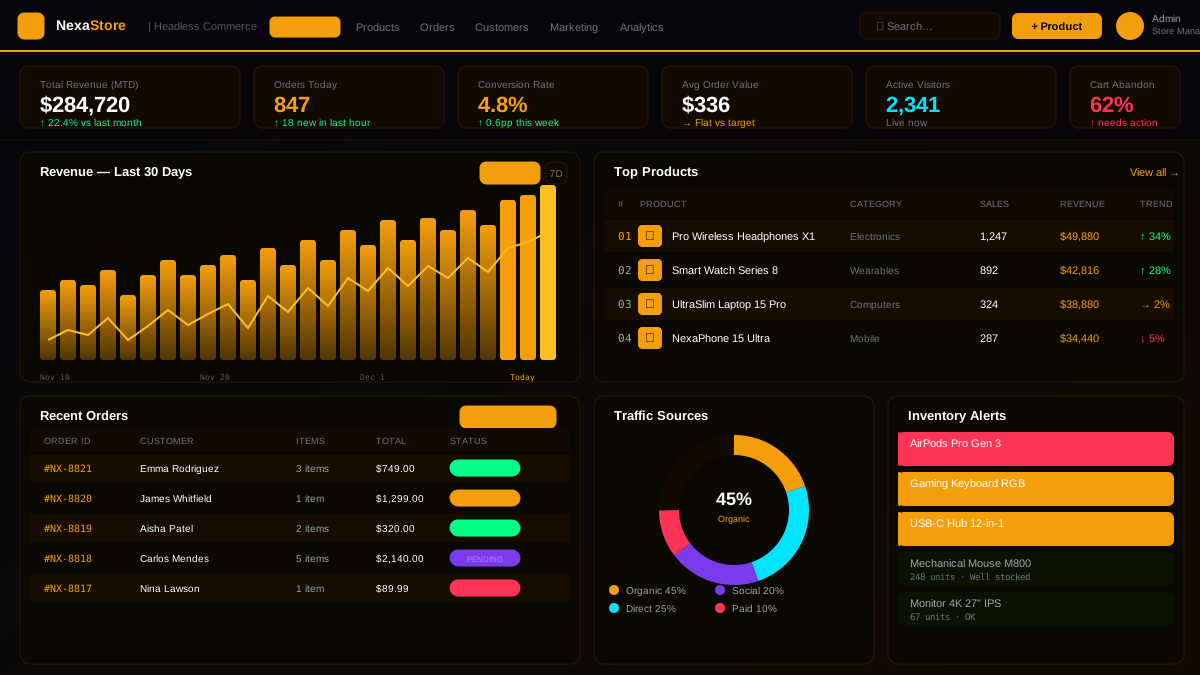
NexaStore — Headless E-Commerce Platform
A high-performance headless e-commerce platform handling 50,000 daily transactions with su...
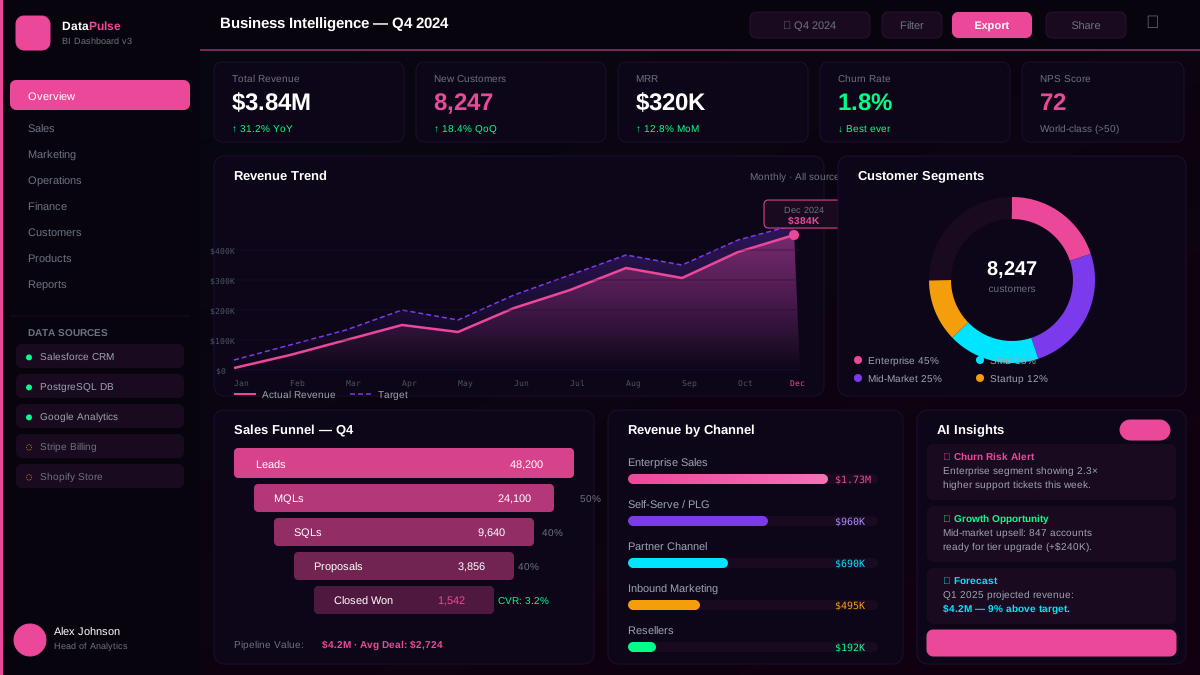
DataPulse — Business Intelligence Dashboard
A natural-language BI dashboard that lets non-technical executives query company data in p...
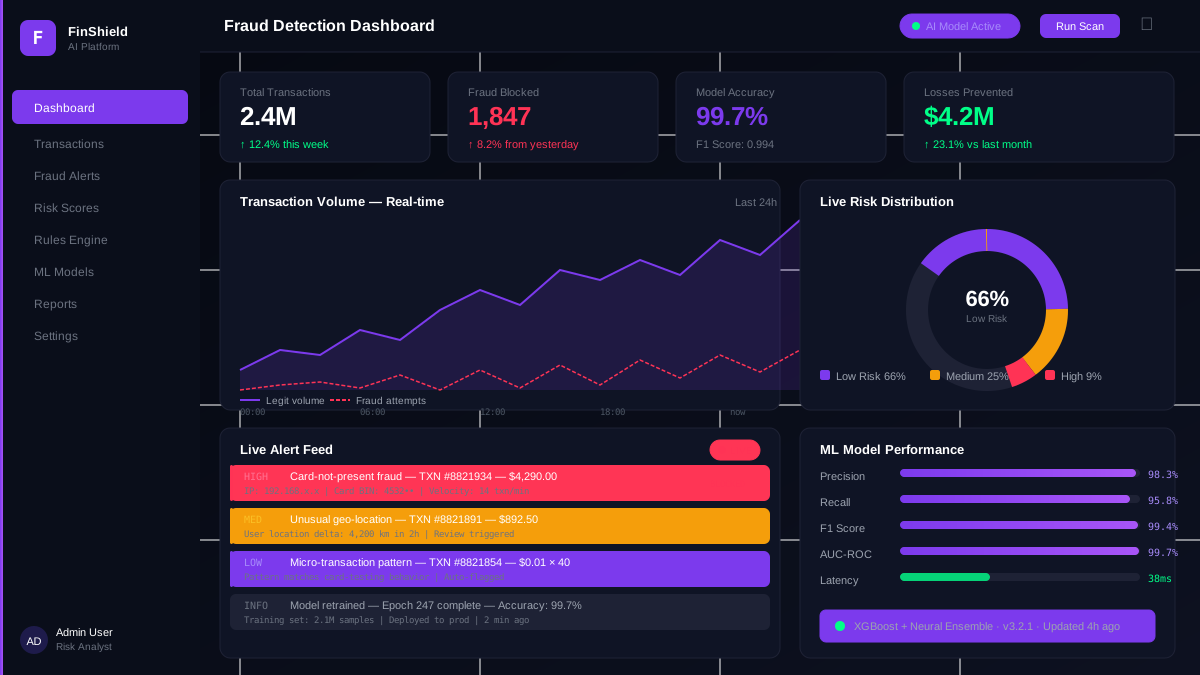
FinShield AI — Real-Time Fraud Detection Platform
A GPT-4 powered fraud intelligence system that cut false positives by 87% and processes 2....
From the Blog
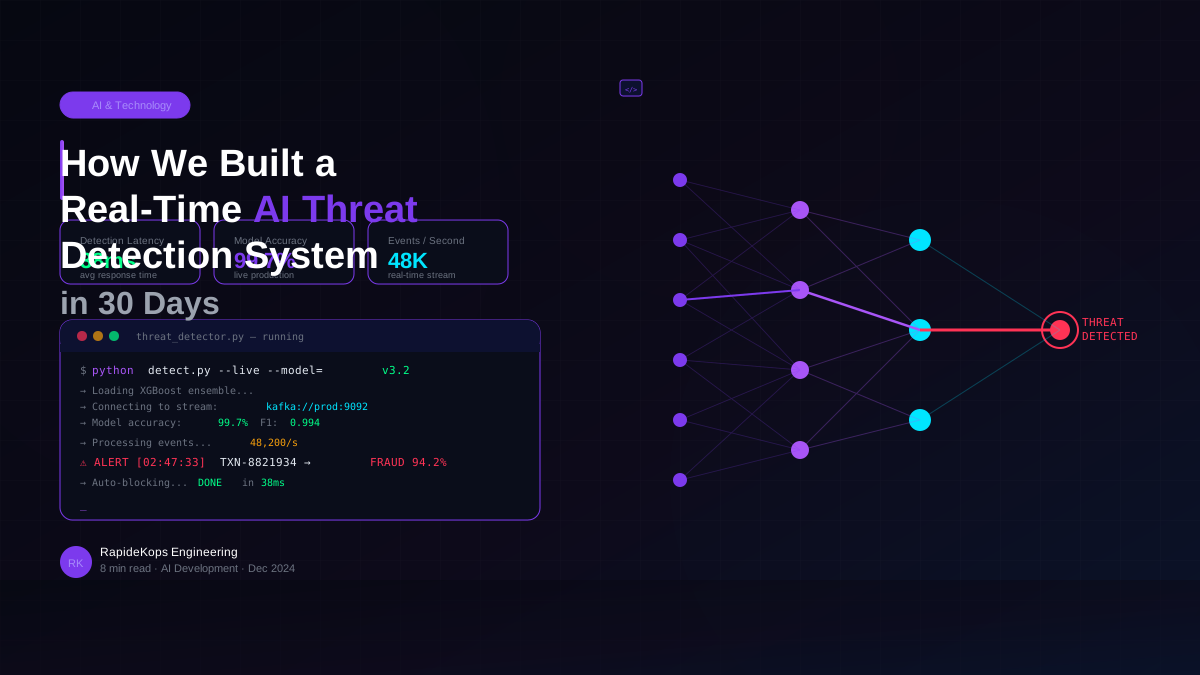
How We Built a Real-Time AI Threat Detection System in 30 Days
A behind-the-scenes look at how our team architected and shipped a GPT-4 powered threat intelligence...
Read Article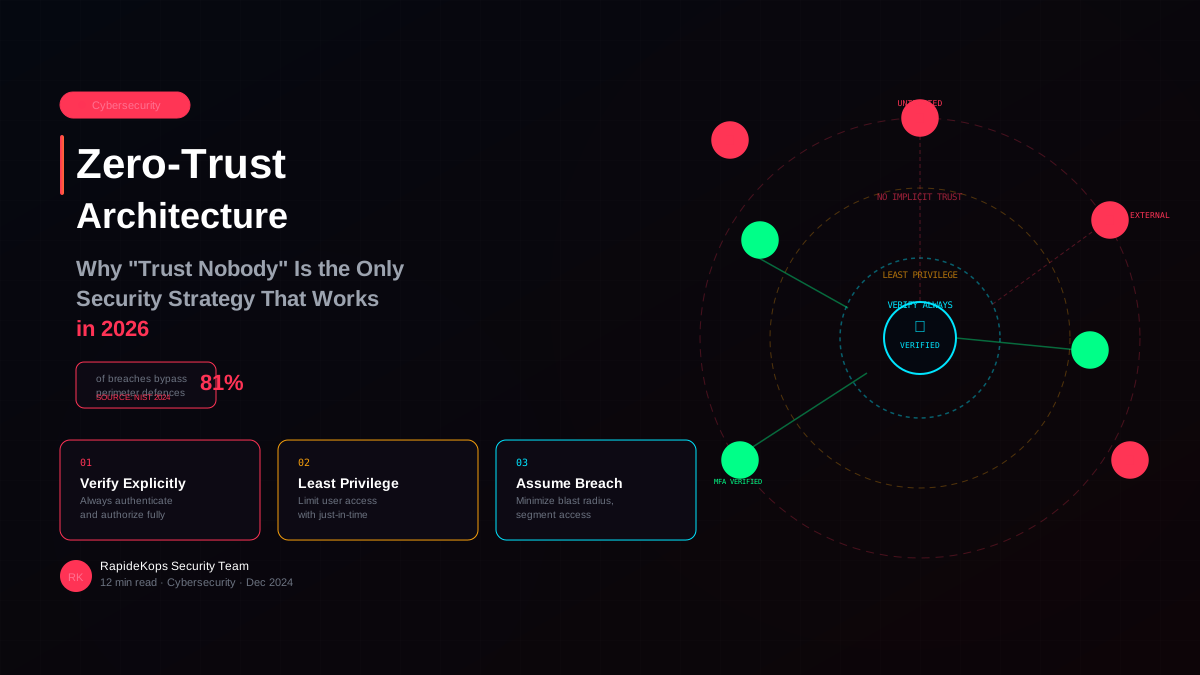
Zero-Trust Architecture: Why Trust Nobody Is the Only Security Strategy That Works in 2026
Perimeter security is dead. Here is a practical guide to implementing zero-trust architecture — the...
Read Article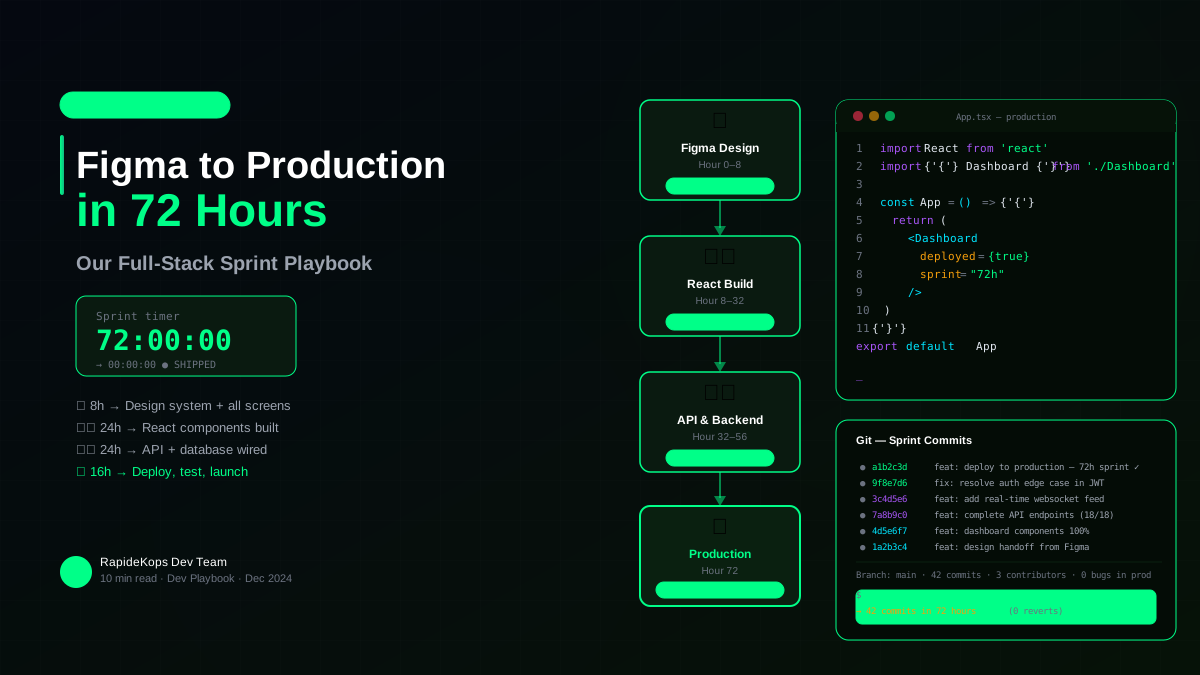
From Figma to Production in 72 Hours: Our Full-Stack Sprint Playbook
Speed without chaos. Here is the exact playbook we use to take a client from approved designs to a l...
Read ArticleReady to Eliminate Implicit Trust From Your Infrastructure?
We will assess your current posture, design a practical zero-trust architecture, and implement it in phases that keep your business running throughout.