Threat Detection & Response
Managed threat detection and incident response services — 24/7 security monitoring, SIEM implementation, threat hunting, and rapid incident containment to minimise dwell time and business impact.
The average attacker dwell time in a breached network is 21 days. The difference between a contained incident and a catastrophic breach is how quickly you detect anomalous behaviour and how effectively you respond. Our threat detection and response services combine SIEM engineering, behavioural analytics, proactive threat hunting, and structured incident response to cut your mean time to detect from weeks to hours.
We implement and tune SIEM platforms (Microsoft Sentinel, Splunk, Elastic SIEM, and Wazuh) with detection rules tuned to your specific technology stack and threat model — reducing false positive noise while ensuring high-fidelity detection of real attack patterns. Our threat hunting service proactively searches your environment for indicators of compromise, living-off-the-land techniques, and persistence mechanisms that automated detection misses. We use the MITRE ATT&CK framework to systematically cover the tactics, techniques, and procedures most relevant to your industry and threat actors.
When an incident occurs, our incident response retainer ensures a structured, documented response: containment within hours, forensic evidence preservation, root cause analysis, and a post-incident report with recommendations to prevent recurrence. We work alongside your internal team or operate as your external security operations capability — whichever fits your organisation's size and maturity.
-
SIEM platform implementation and detection rule engineering tuned to your stack
-
Behavioural analytics baseline and anomaly detection configuration
-
Proactive threat hunting across endpoints, network, and cloud environments
-
Incident response plan and playbooks for your top 10 threat scenarios
-
Structured incident containment, forensic investigation, and root cause analysis
-
Post-incident report with timeline, impact assessment, and hardening recommendations
Why RapideKops?
- Detection rules tuned to your environment — not generic out-of-the-box rulesets that flood you with false positives
- MITRE ATT&CK framework coverage mapped to your specific industry threat actors
- Threat hunting proactively finds attackers who evaded your automated detection
- Incident response retainer means we know your environment before an incident occurs — not after
- Every incident response includes preserved forensic evidence suitable for legal proceedings if required
- We train your internal team alongside us — reducing dependency on external security support over time
Our Delivery Process
Threat Model & Stack Audit
We document your technology stack, identify critical assets, map your most likely threat actors, and design a detection coverage plan against the MITRE ATT&CK framework.
SIEM Implementation & Tuning
We deploy or tune your SIEM with detection rules, correlation searches, and alerting thresholds calibrated to your environment — minimising false positives while maximising detection fidelity.
Threat Hunting & Baseline
We hunt for existing compromise indicators, establish behavioural baselines, and configure anomaly detection to surface deviations that pattern-based rules miss.
Respond & Improve
We respond to incidents with documented playbooks, contain threats, preserve evidence, conduct root cause analysis, and update detection rules based on findings from every engagement.
Frequently Asked Questions
Recent Work
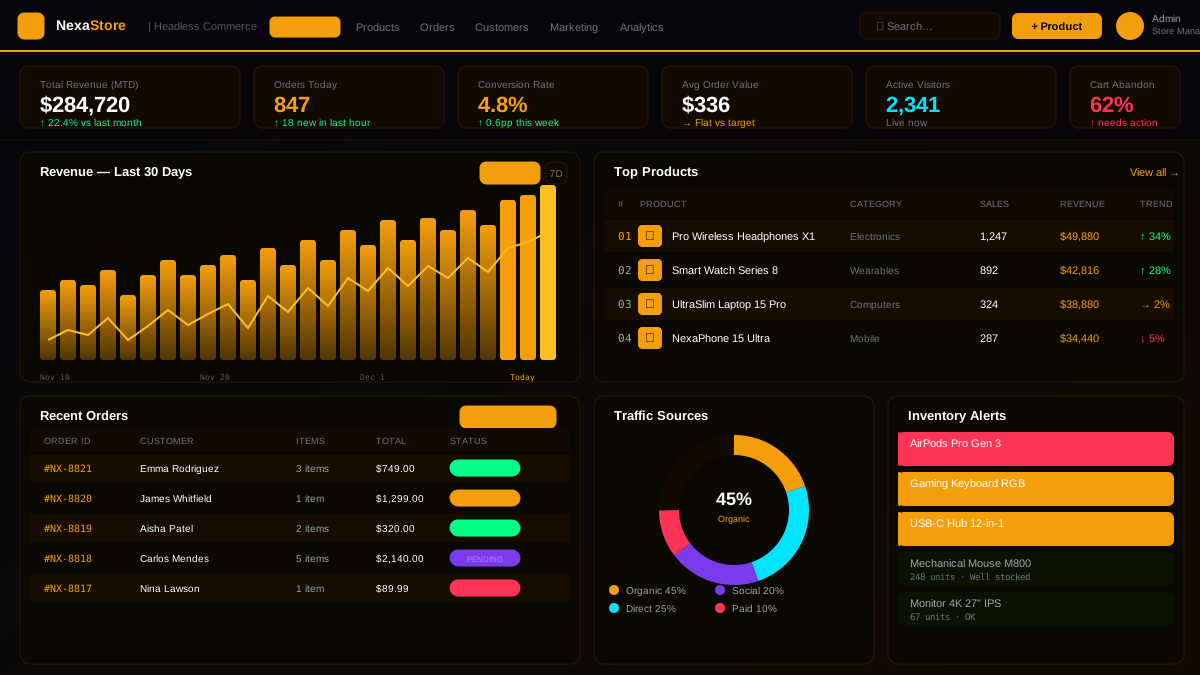
NexaStore — Headless E-Commerce Platform
A high-performance headless e-commerce platform handling 50,000 daily transactions with su...
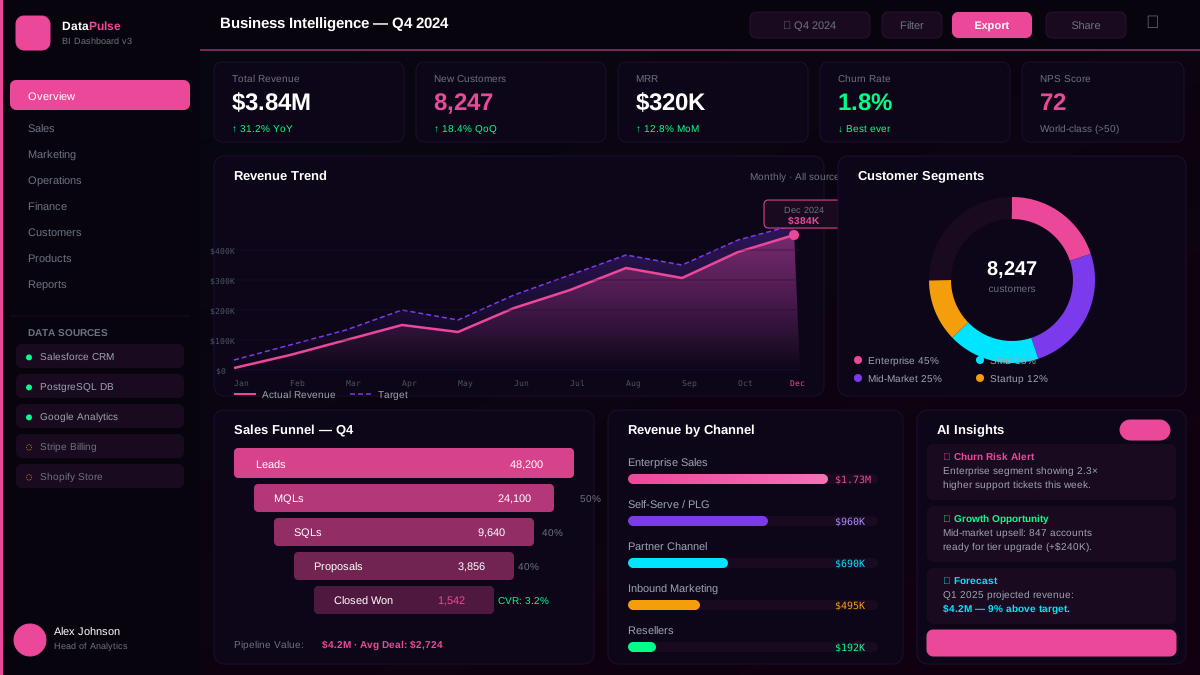
DataPulse — Business Intelligence Dashboard
A natural-language BI dashboard that lets non-technical executives query company data in p...
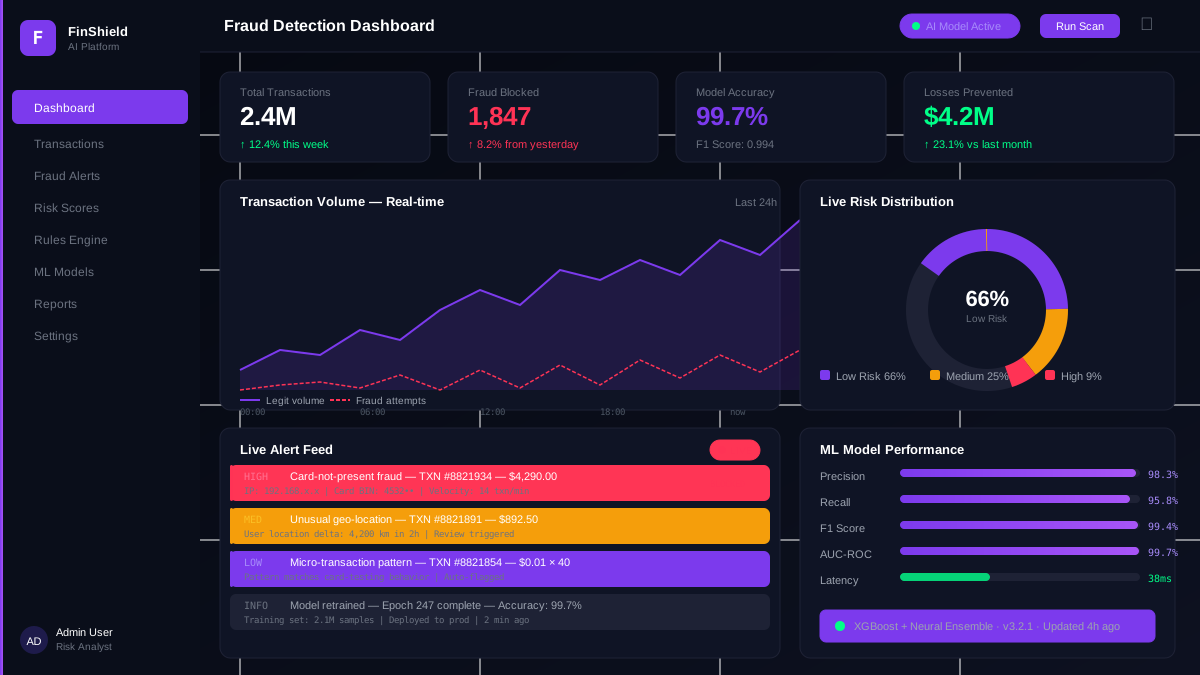
FinShield AI — Real-Time Fraud Detection Platform
A GPT-4 powered fraud intelligence system that cut false positives by 87% and processes 2....
From the Blog
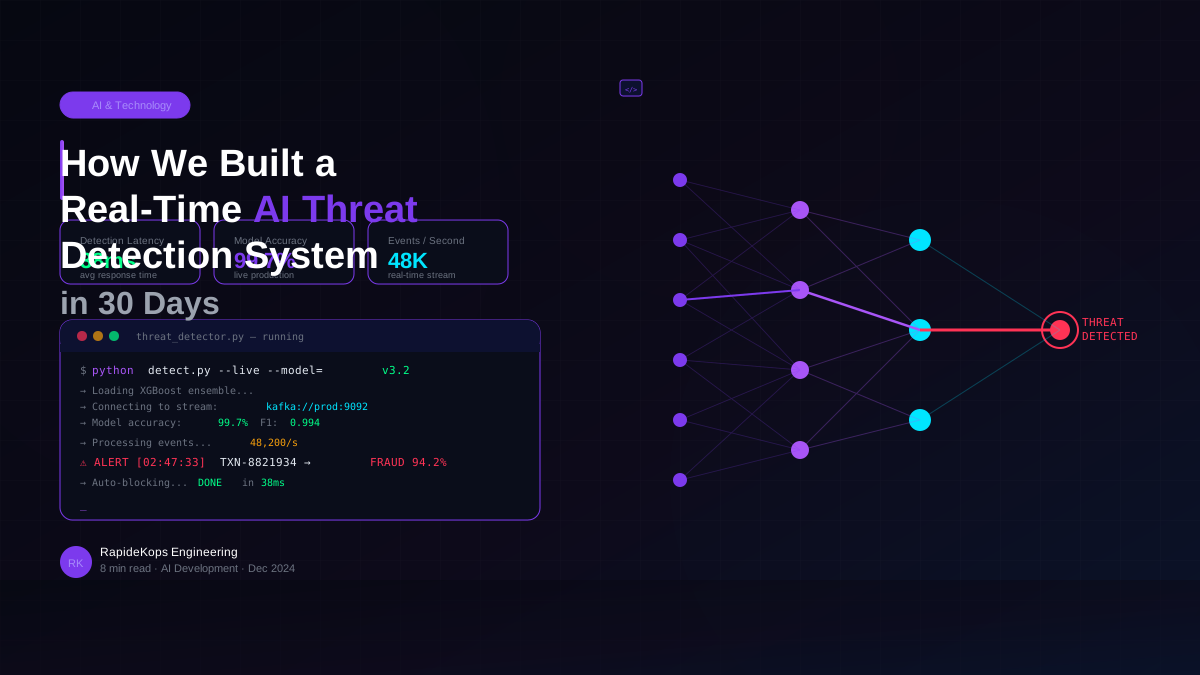
How We Built a Real-Time AI Threat Detection System in 30 Days
A behind-the-scenes look at how our team architected and shipped a GPT-4 powered threat intelligence...
Read Article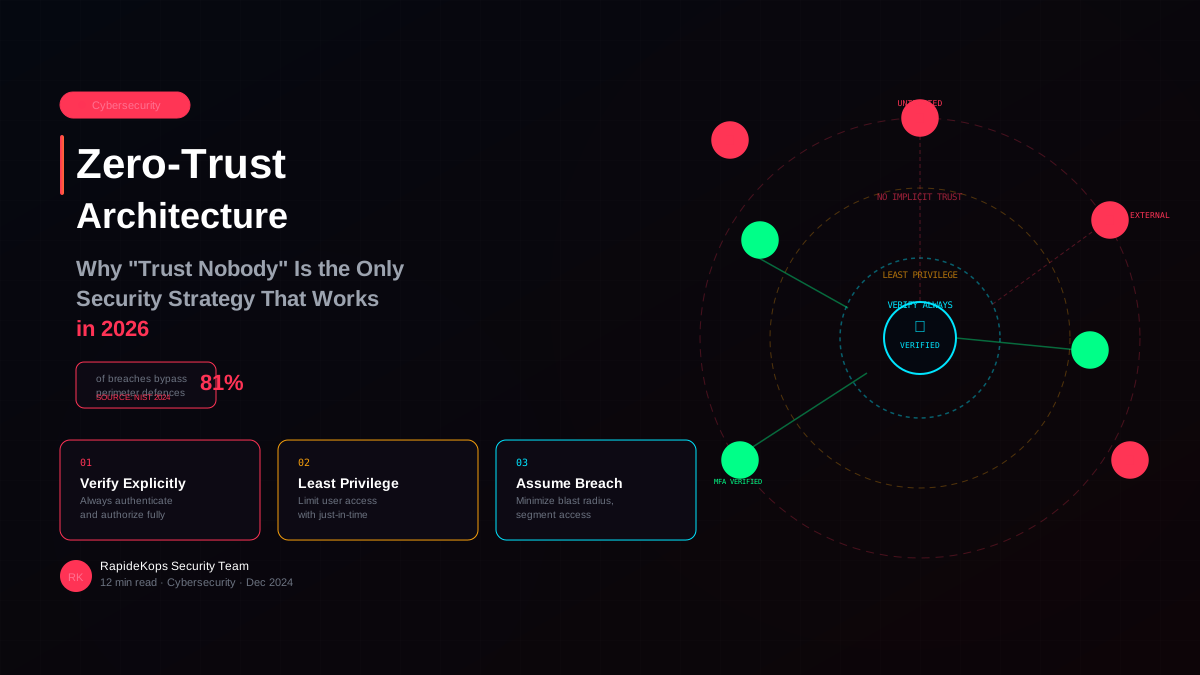
Zero-Trust Architecture: Why Trust Nobody Is the Only Security Strategy That Works in 2026
Perimeter security is dead. Here is a practical guide to implementing zero-trust architecture — the...
Read Article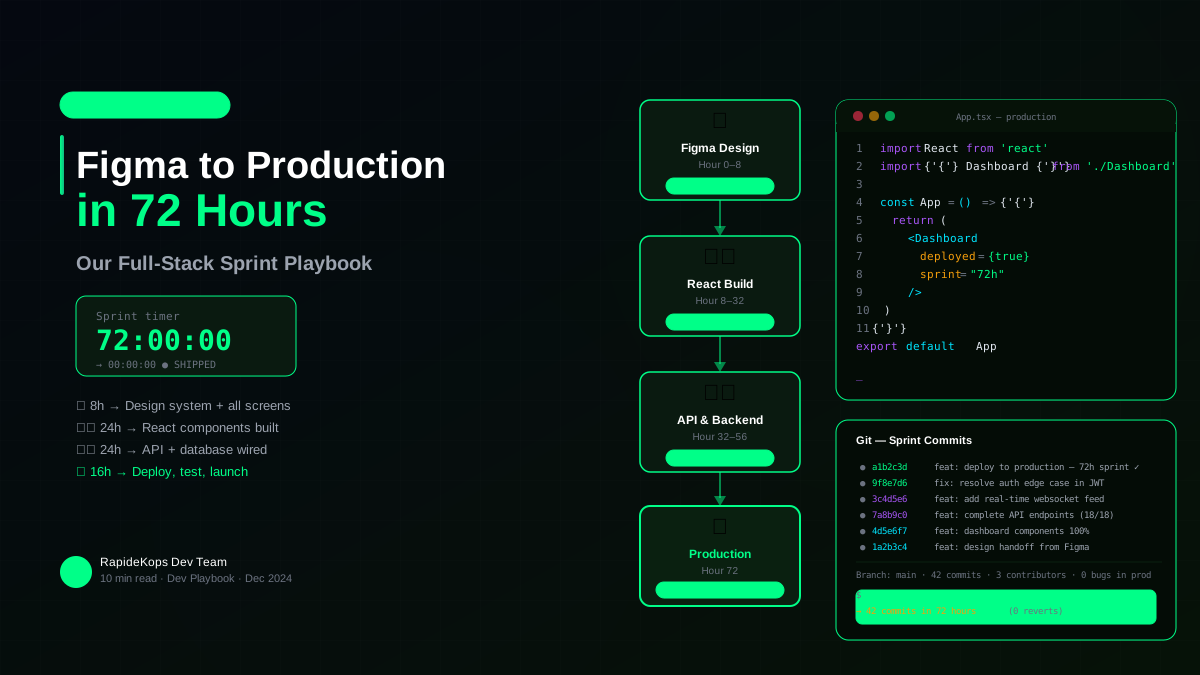
From Figma to Production in 72 Hours: Our Full-Stack Sprint Playbook
Speed without chaos. Here is the exact playbook we use to take a client from approved designs to a l...
Read ArticleReady to Detect and Contain Threats Before They Become Breaches?
SIEM engineering, proactive threat hunting, and structured incident response — reducing your dwell time from weeks to hours.