Penetration Testing
Professional penetration testing services — manual and automated security testing of web applications, APIs, networks, and cloud infrastructure with actionable, risk-prioritised remediation reports.
Penetration testing gives you an attacker's view of your systems before a real attacker gets there first. Our certified penetration testers use the same tools, techniques, and procedures as advanced threat actors — combined with deep manual analysis that automated scanners cannot replicate — to find exploitable vulnerabilities in your web applications, APIs, mobile apps, internal networks, cloud infrastructure, and social engineering attack surface.
We conduct penetration tests aligned to industry-standard methodologies: OWASP Testing Guide for web and API testing, PTES (Penetration Testing Execution Standard) for network and infrastructure engagements, and NIST 800-115 for federal and regulated industry clients. Our testers hold CREST, OSCP, OSWE, and CEH certifications. Every engagement includes a pre-test scoping call, defined rules of engagement, real-time communication throughout the test, and a detailed report delivered within 5 business days of test completion.
Our penetration testing reports are designed for two audiences: technical findings with proof-of-concept exploit code and precise remediation steps for your engineering team, and an executive summary with risk ratings, business impact descriptions, and compliance context for leadership and audit purposes. We offer free re-testing of all critical and high-severity findings within 90 days to confirm that your remediation was effective.
-
Scoping call, rules of engagement document, and test environment confirmation
-
Web application, API, mobile, network, or cloud infrastructure penetration test
-
Manual exploitation and proof-of-concept code for every validated finding
-
Risk-prioritised findings report: executive summary + detailed technical findings
-
CVSS score, business impact description, and step-by-step remediation guidance
-
Free re-test of all critical and high-severity findings within 90 days
Why RapideKops?
- CREST, OSCP, and OSWE certified testers — not just automated scanner operators
- Manual testing for business logic flaws that tools cannot detect
- Findings mapped to OWASP Top 10, PTES, and your specific compliance framework
- Proof-of-concept exploits included — so your engineers understand exactly what is exploitable
- Executive summary written for non-technical stakeholders — not just a technical dump
- No hidden retesting fees — critical and high findings re-tested within 90 days at no charge
Our Delivery Process
Scoping
We define the test scope, methodology, rules of engagement, out-of-scope systems, emergency contact procedures, and success criteria — agreed in writing before testing begins.
Reconnaissance & Testing
Our testers use both automated tools and manual techniques to identify and attempt to exploit vulnerabilities across the agreed scope, documenting evidence throughout.
Report Delivery
A detailed report covering all findings with CVSS scores, proof-of-concept evidence, business impact, and precise remediation steps — delivered within 5 business days.
Remediation Support & Retest
We answer remediation questions during your fix cycle and retest all critical and high-severity findings at no additional charge to confirm successful remediation.
Frequently Asked Questions
Recent Work
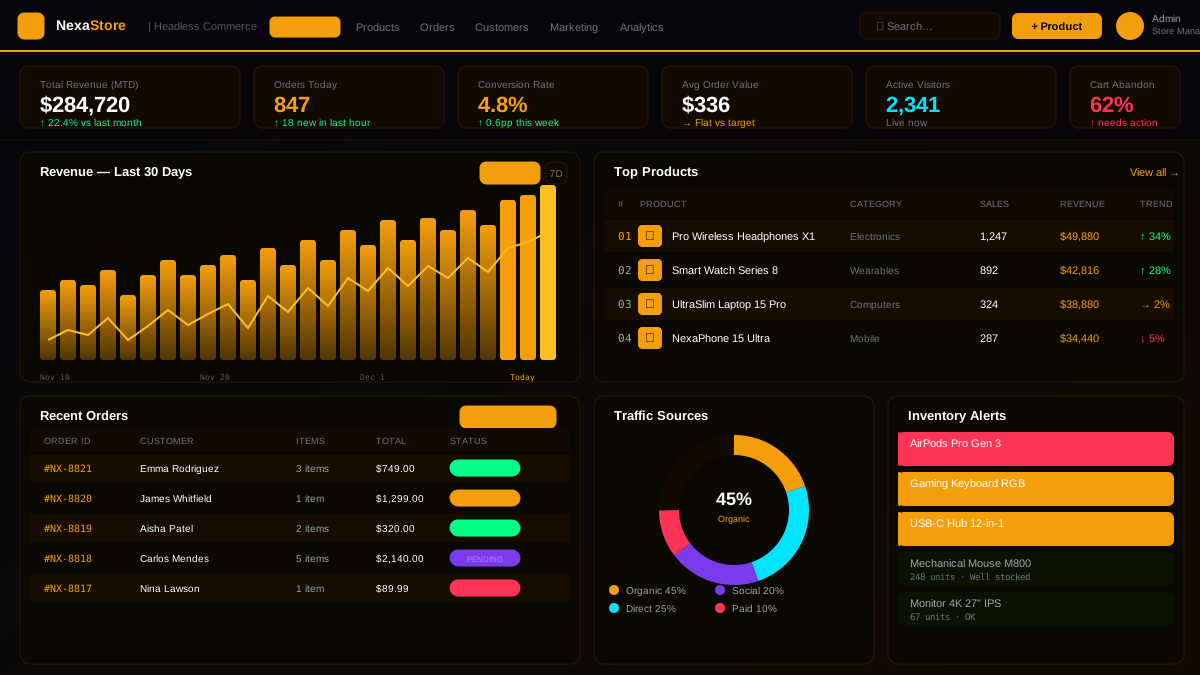
NexaStore — Headless E-Commerce Platform
A high-performance headless e-commerce platform handling 50,000 daily transactions with su...
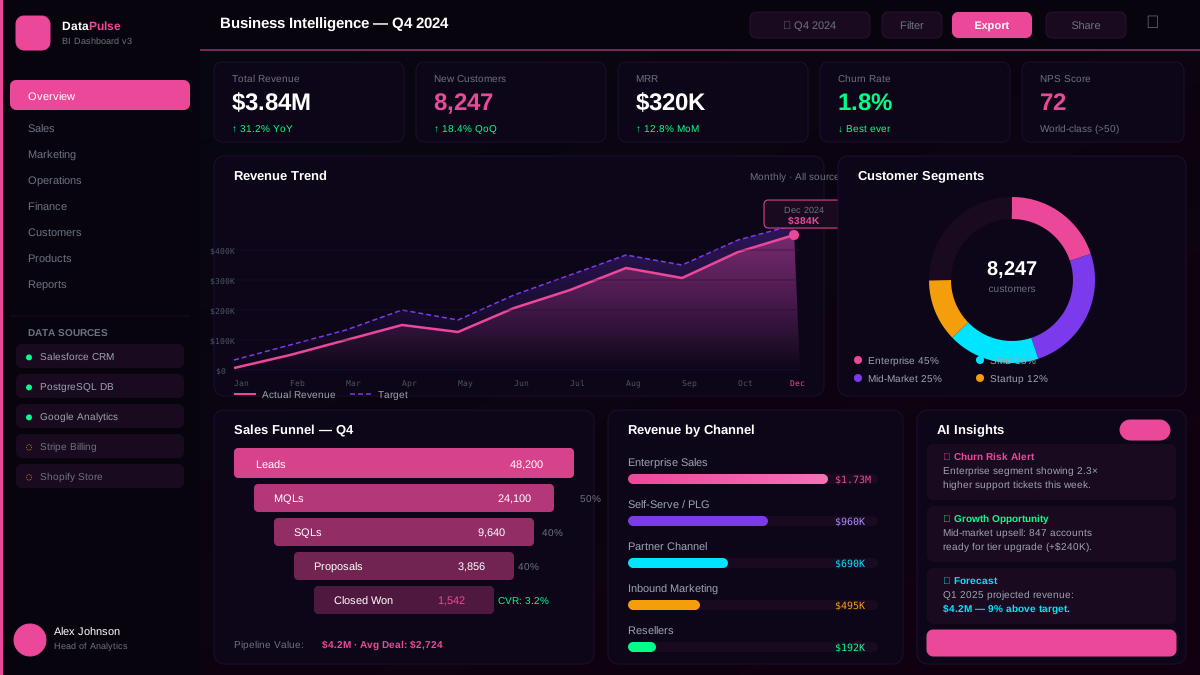
DataPulse — Business Intelligence Dashboard
A natural-language BI dashboard that lets non-technical executives query company data in p...
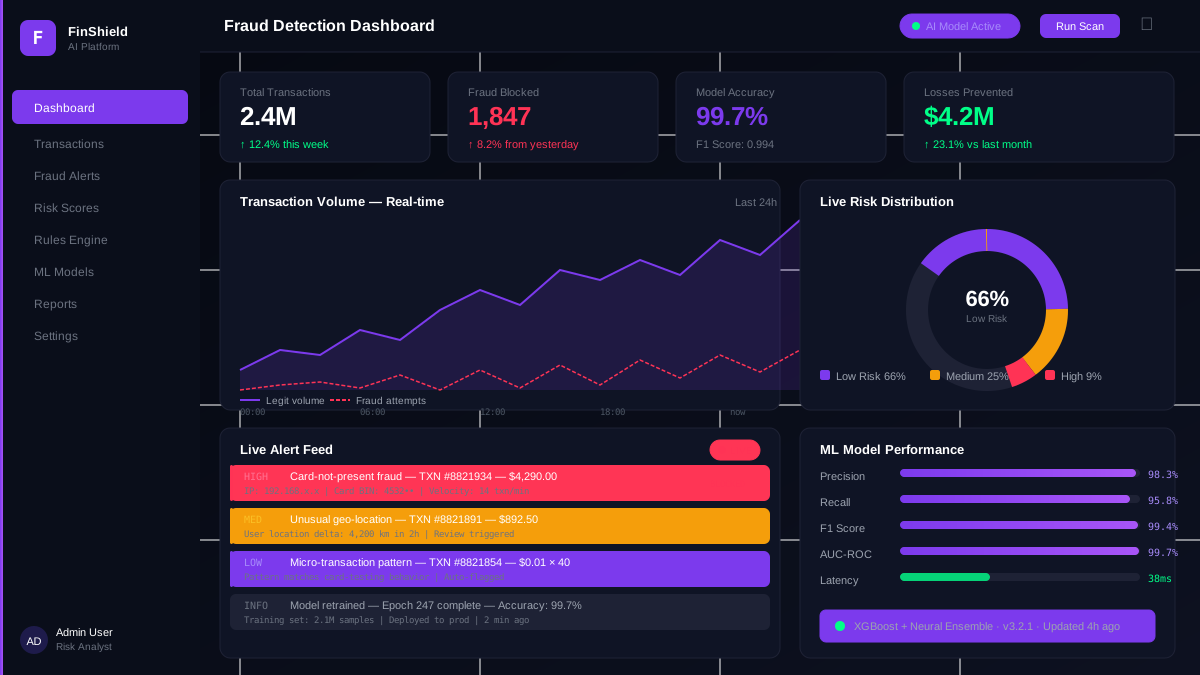
FinShield AI — Real-Time Fraud Detection Platform
A GPT-4 powered fraud intelligence system that cut false positives by 87% and processes 2....
From the Blog
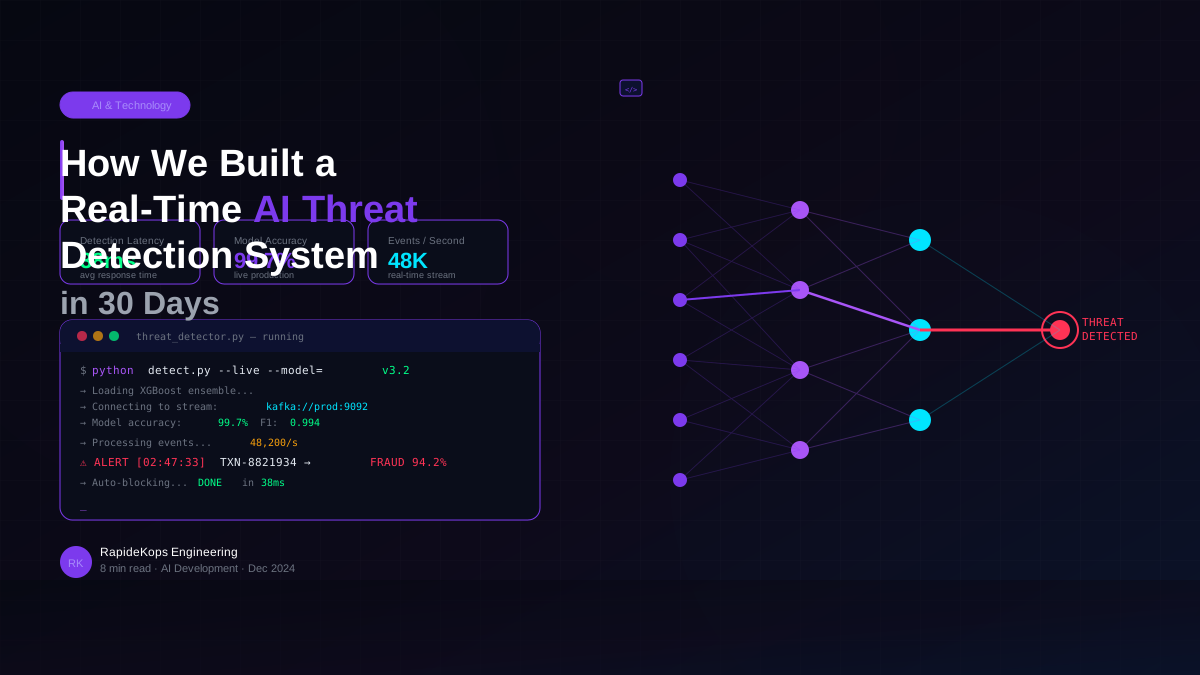
How We Built a Real-Time AI Threat Detection System in 30 Days
A behind-the-scenes look at how our team architected and shipped a GPT-4 powered threat intelligence...
Read Article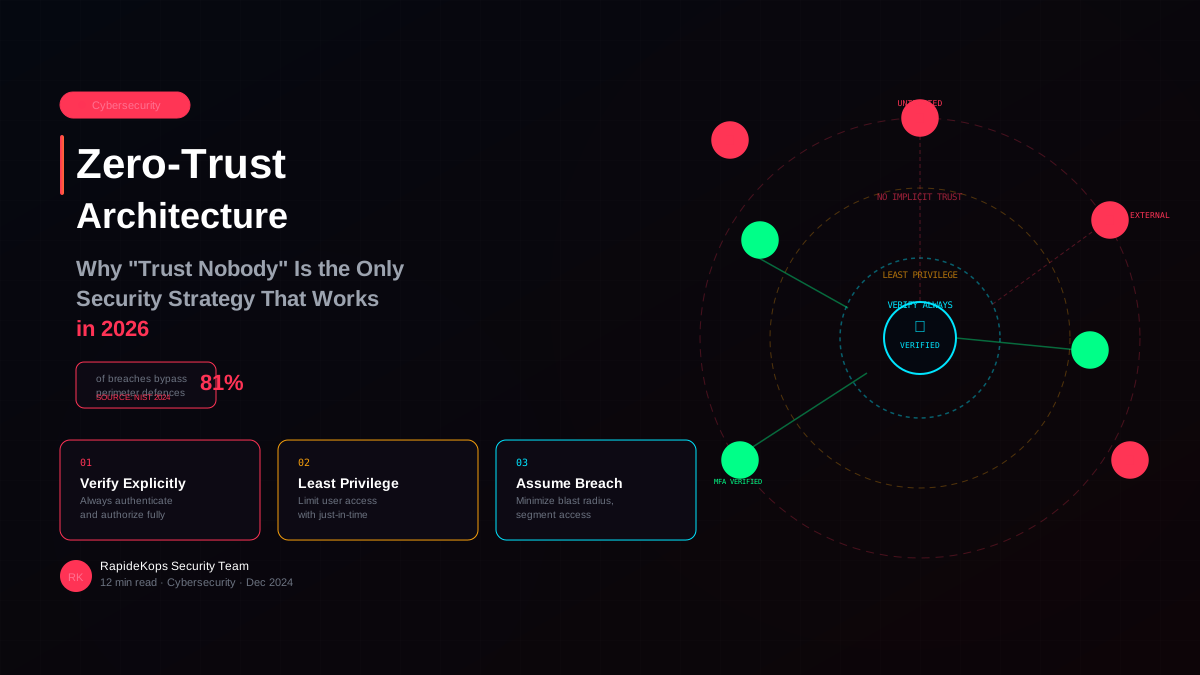
Zero-Trust Architecture: Why Trust Nobody Is the Only Security Strategy That Works in 2026
Perimeter security is dead. Here is a practical guide to implementing zero-trust architecture — the...
Read Article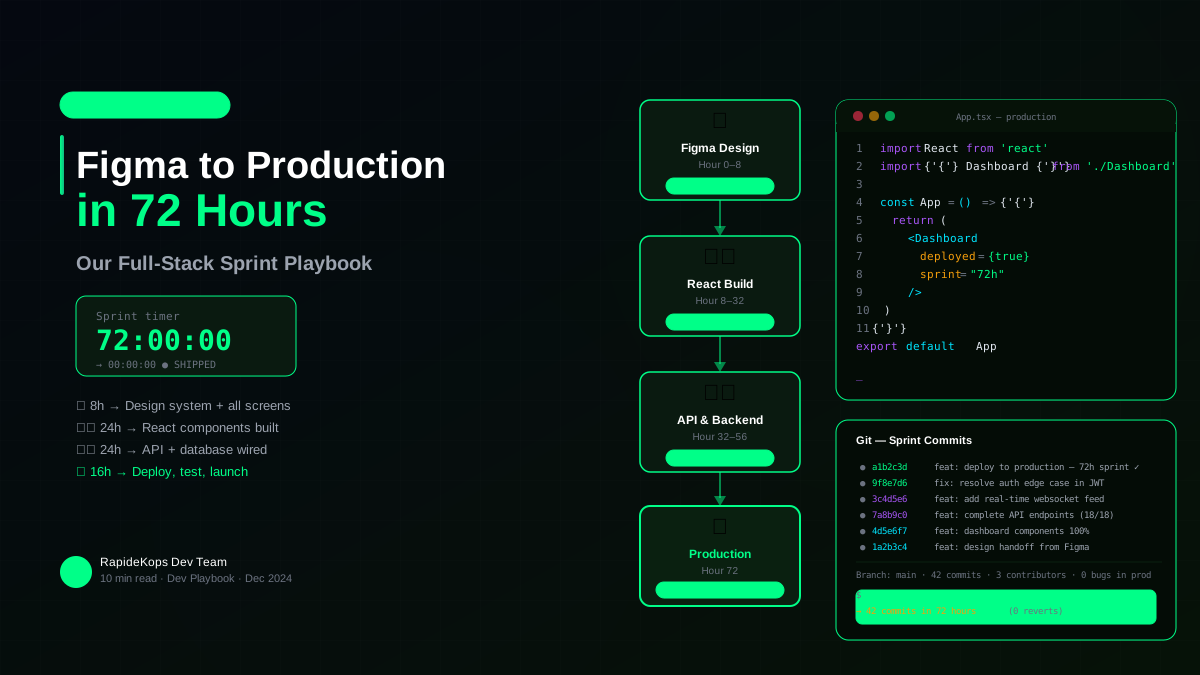
From Figma to Production in 72 Hours: Our Full-Stack Sprint Playbook
Speed without chaos. Here is the exact playbook we use to take a client from approved designs to a l...
Read ArticleReady to Find Your Vulnerabilities Before Attackers Do?
Professional penetration testing with certified testers, detailed findings, and free re-testing — scoped to your infrastructure and compliance requirements.