Web Portal Development
Enterprise web portal development — secure customer portals, partner portals, and B2B platforms with role-based access control, real-time dashboards, SSO, and deep system integrations.
Enterprise web portals are among the most complex software products to build correctly: multiple user roles with fine-grained permissions, deep integrations with existing ERP, CRM, and HRIS systems, large concurrent user loads, real-time data dashboards, and strict security and compliance requirements. We design and build portals that meet all of these demands — from customer self-service portals and partner collaboration platforms to internal operations dashboards and B2B ordering platforms.
We have delivered enterprise portals for insurance, logistics, manufacturing, financial services, healthcare, and professional services organisations — serving internal teams, external customers, and third-party partners from a single secure platform. Our portal architecture centres on Laravel or Node.js backends with React or Vue frontends, PostgreSQL for transactional data, Redis for real-time features, and Elasticsearch for search-heavy portals. Single Sign-On via SAML 2.0, OpenID Connect, and Active Directory Federation Services is a standard delivery item, not an optional add-on.
Data privacy and compliance are engineered in from the start: granular audit logs capturing every sensitive user action with actor identity, timestamp, and changed values; row-level security enforcing that users see only their permitted data; and configurable data retention and export tools for GDPR Article 17 and 20 compliance. We design portals that your organisation's compliance, legal, and IT security teams can audit and sign off confidently.
-
Role-based access control with resource-level and field-level permission granularity
-
Real-time dashboard with charting, KPI widgets, and scheduled data export
-
SSO integration: SAML 2.0, OpenID Connect, Azure AD, Okta, and Google Workspace
-
Comprehensive audit log capturing actor, action, resource, and changed values
-
Bulk data import and export with schema validation and error reporting
-
White-label theming system with per-client branding and custom domain support
Why RapideKops?
- Permission system is designed first — security architecture is never bolted on after an audit
- Real-time data via WebSockets and server-sent events where sub-second updates matter
- SSO integrations battle-tested with Okta, Azure AD, Ping Identity, and Google Workspace
- Audit logs structured to satisfy ISO 27001, SOC 2 Type II, and GDPR compliance requirements
- Query optimisation and caching strategy designed for thousands of concurrent portal users
- Full portal source code, database schema, and infrastructure owned by you from day one
Our Delivery Process
Stakeholder Mapping
We identify every user role, their permissions, sensitive workflows, and integration touchpoints — ensuring the portal architecture serves every stakeholder correctly.
System Design
We design the permission model, data architecture, SSO integration, and third-party system connections — reviewed and approved before development begins.
Iterative Build
Role by role, we build and validate features with real stakeholders using real data. Feedback is grounded in actual portal usage, not wireframe reviews.
Security Review & Launch
Penetration test, access control audit, and load testing before go-live. Post-launch monitoring dashboards and runbook configured for your ops team.
Frequently Asked Questions
Recent Work
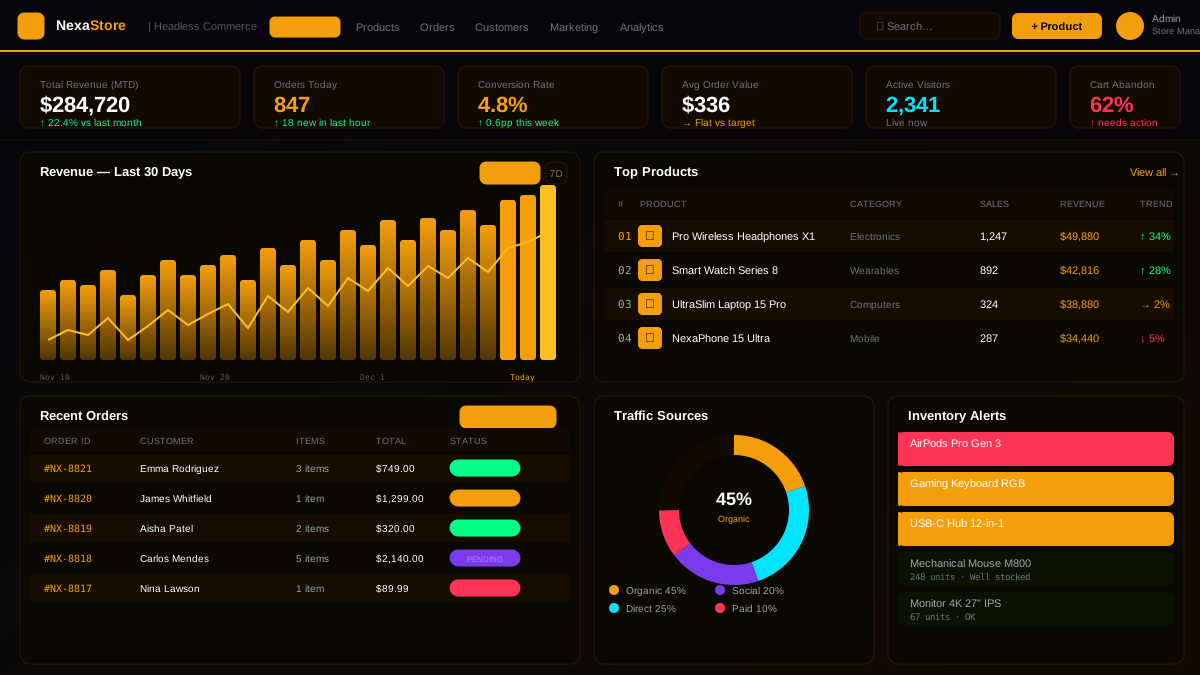
NexaStore — Headless E-Commerce Platform
A high-performance headless e-commerce platform handling 50,000 daily transactions with su...
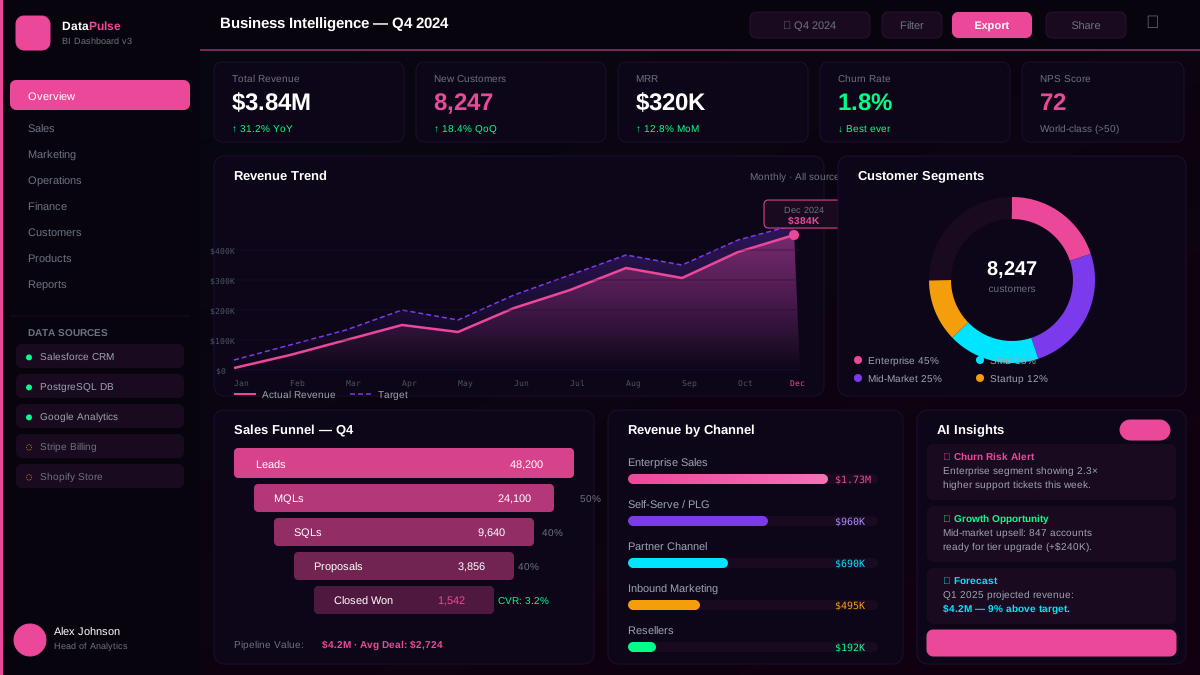
DataPulse — Business Intelligence Dashboard
A natural-language BI dashboard that lets non-technical executives query company data in p...
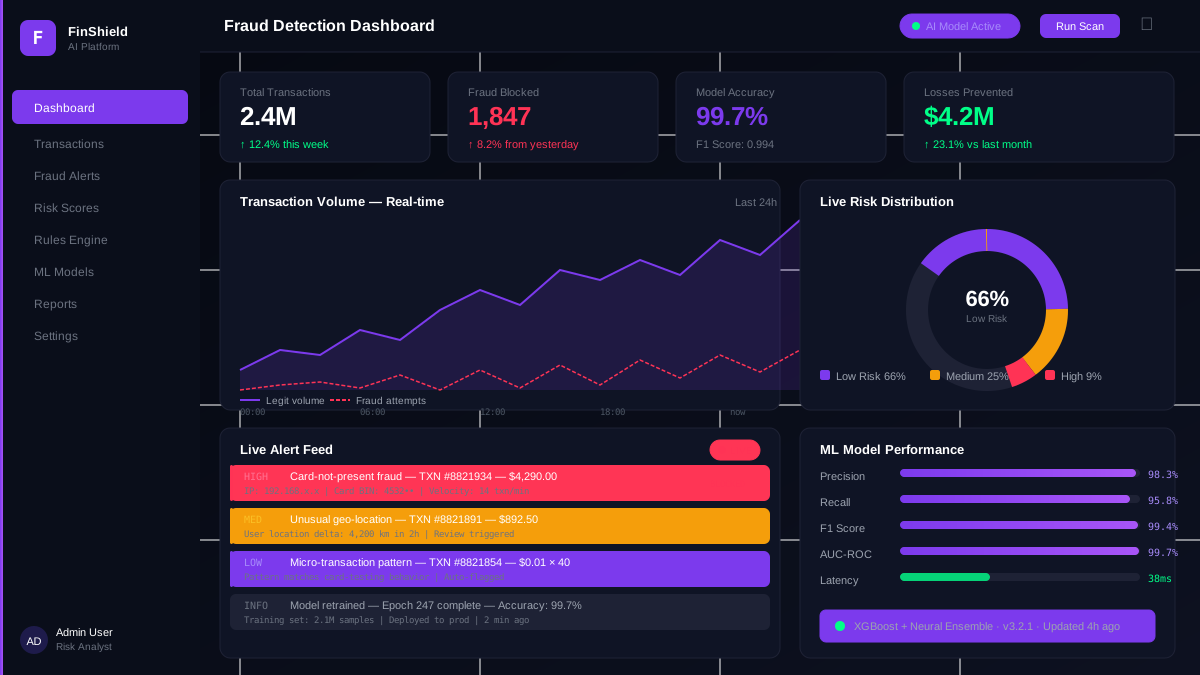
FinShield AI — Real-Time Fraud Detection Platform
A GPT-4 powered fraud intelligence system that cut false positives by 87% and processes 2....
From the Blog
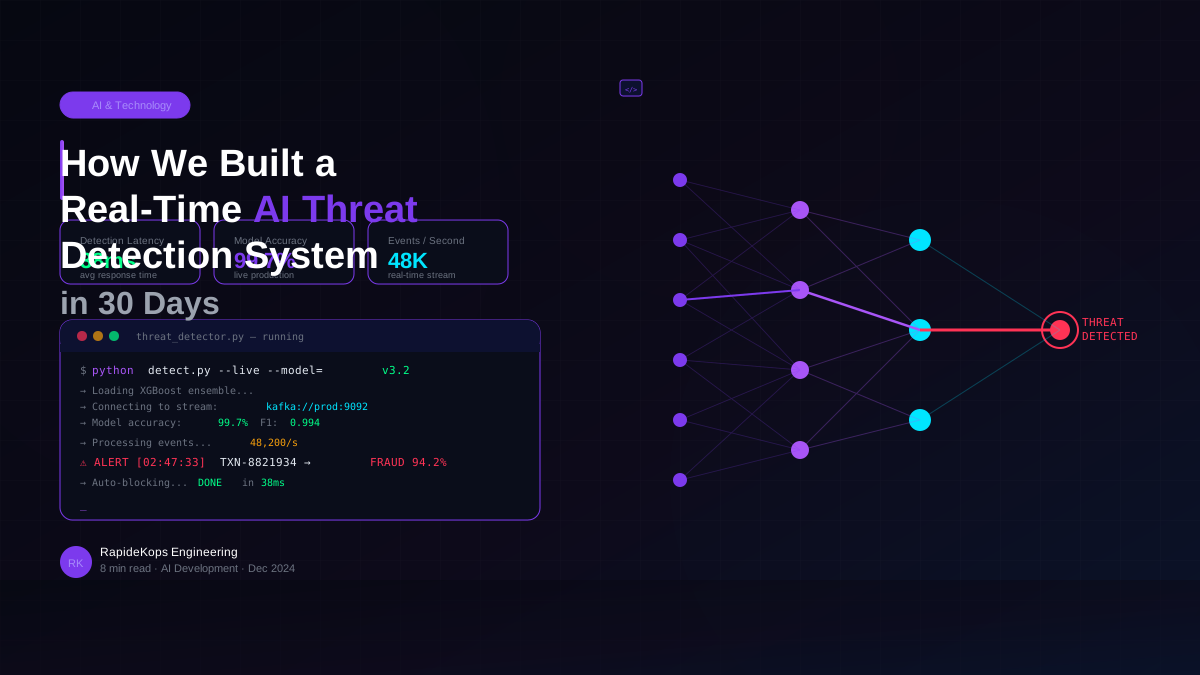
How We Built a Real-Time AI Threat Detection System in 30 Days
A behind-the-scenes look at how our team architected and shipped a GPT-4 powered threat intelligence...
Read Article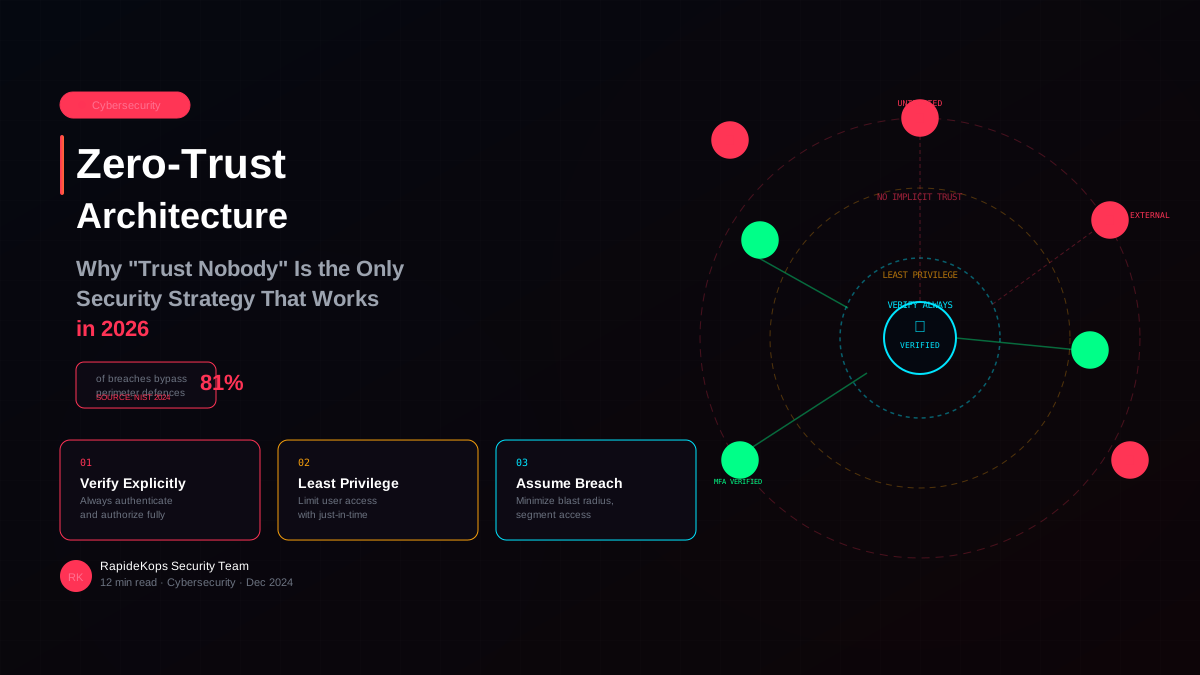
Zero-Trust Architecture: Why Trust Nobody Is the Only Security Strategy That Works in 2026
Perimeter security is dead. Here is a practical guide to implementing zero-trust architecture — the...
Read Article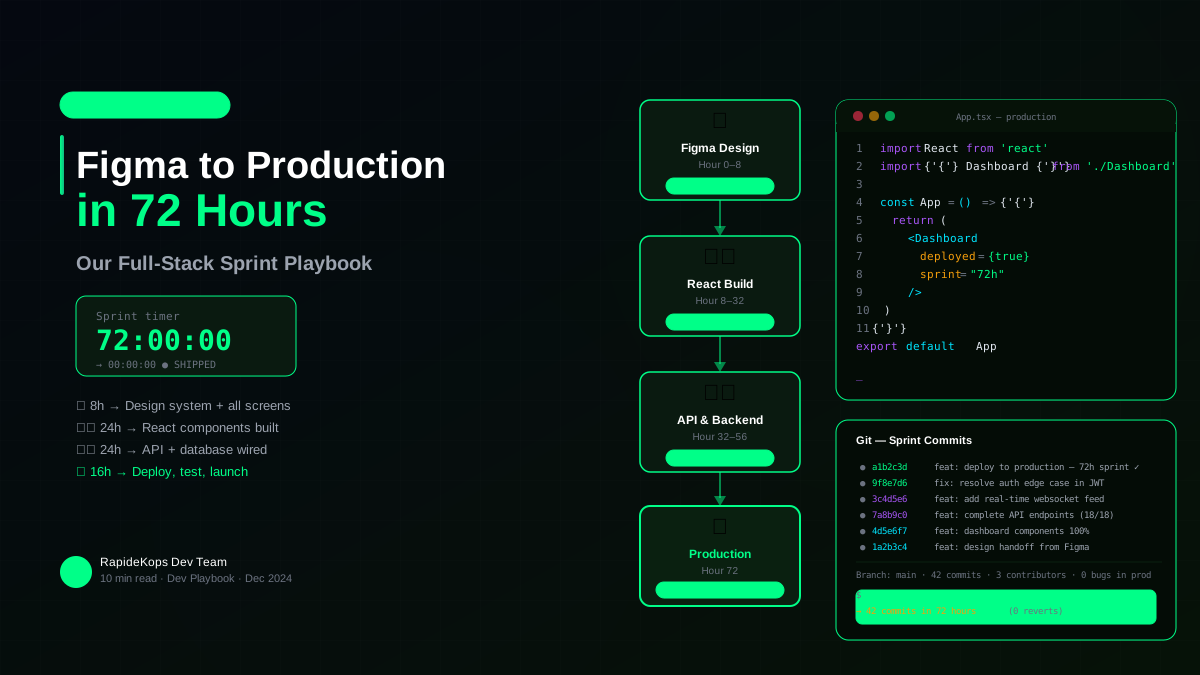
From Figma to Production in 72 Hours: Our Full-Stack Sprint Playbook
Speed without chaos. Here is the exact playbook we use to take a client from approved designs to a l...
Read ArticleReady to Build Your Enterprise Portal?
We will design a secure, scalable portal that meets your compliance requirements and serves every stakeholder — built to grow with your organisation.