Native App Development
Native iOS and Android app development — Swift and SwiftUI for Apple platforms, Kotlin and Jetpack Compose for Android — maximum performance, platform-native UX, and full hardware access.
Some mobile applications demand the full power of native development: 60fps animations that feel like part of the OS, Bluetooth and NFC hardware integrations, ARKit and ARCore augmented reality features, HealthKit and Google Health Connect data access, real-time audio and video processing, or security-sensitive applications that require Secure Enclave and Android Keystore. We build truly native iOS applications in Swift with SwiftUI and UIKit, and native Android applications in Kotlin with Jetpack Compose — leveraging every platform capability to its fullest.
Native development means your users get an experience that feels exactly right on their device — animations that match platform conventions, navigation patterns that are immediately familiar, and features like Live Activities, Dynamic Island, iOS widgets, Android app shortcuts, and home screen customisation that cross-platform frameworks cannot replicate. Our iOS team follows Apple Human Interface Guidelines precisely and our Android team follows Material Design 3 specifications — so your app passes App Store and Play Store review on first submission.
We have delivered native mobile applications for healthcare wearable integration, industrial IoT monitoring, financial trading platforms, augmented reality retail try-on, and real-time sports scoring — applications where cross-platform compromise was not an option. Performance is profiled throughout development using Instruments on iOS and Android Studio Profiler on Android, eliminating jank, memory leaks, and battery drain before release.
-
Swift with SwiftUI/UIKit (iOS) and Kotlin with Jetpack Compose (Android) native codebase
-
Platform-native UI following Apple HIG and Google Material Design 3 specifications
-
Hardware integrations: camera, biometrics, Face ID/Touch ID, NFC, Bluetooth LE, GPS
-
In-app purchases and subscriptions via StoreKit 2 and Google Play Billing Library
-
Widgets, Live Activities, push notifications, and deep linking with Universal Links
-
Performance profiling with Instruments (iOS) and Android Studio Profiler throughout build
Why RapideKops?
- We write real Swift and Kotlin — not wrapped web views or bridged JavaScript
- Full SwiftUI, Jetpack Compose, WidgetKit, and Live Activities capability from day one
- Performance profiled on actual hardware throughout development — not simulated environments
- Beta testing on real physical devices spanning low-end to flagship at every sprint
- Keychain and Android Keystore used for all credential storage — security by default
- App Store Optimisation (ASO) keyword research and listing guidance included at launch
Our Delivery Process
Platform Strategy
We establish the technical approach for each platform, identify platform-specific capabilities to leverage, and align on native UI framework — SwiftUI vs UIKit, Compose vs View.
Architecture Design
We design the app architecture (MVVM, Clean Architecture, TCA), define data flow, networking layer, offline storage strategy, and hardware integration approach.
Native Build
Platform-dedicated sprints with TestFlight and Firebase distribution so you test on real devices every two weeks — not just at the end of the project.
Optimise & Submit
Instruments and Android Profiler sessions eliminate performance bottlenecks. App Store and Play Store submissions managed end-to-end by our team.
Frequently Asked Questions
Recent Work
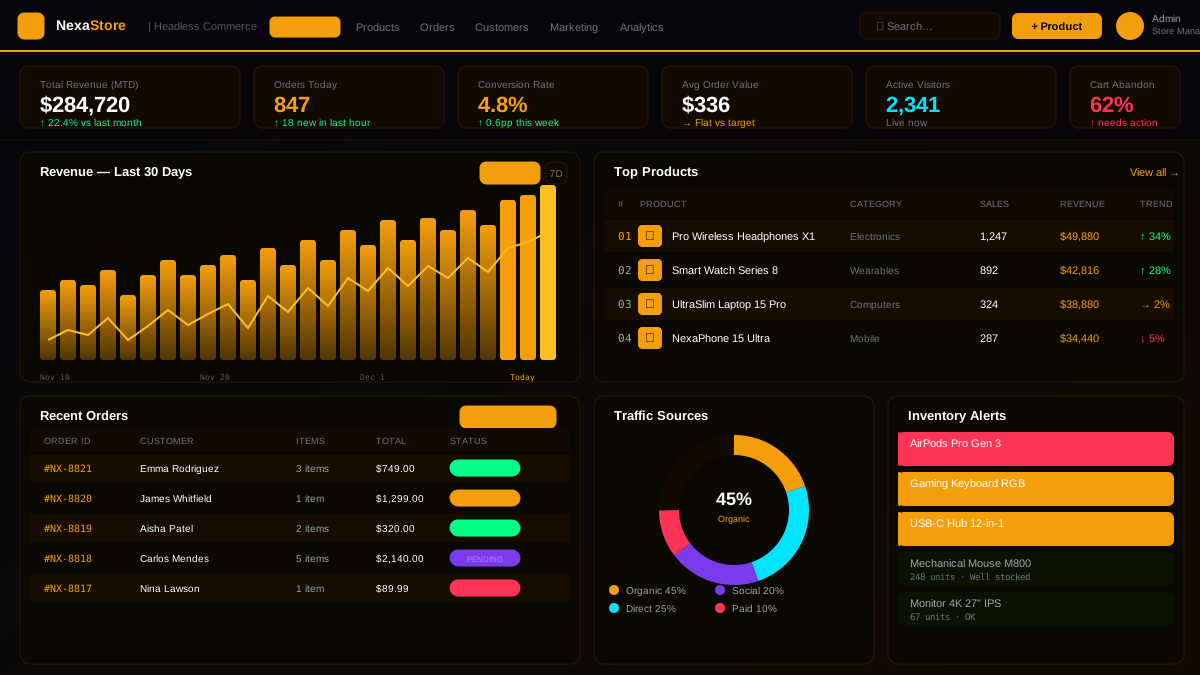
NexaStore — Headless E-Commerce Platform
A high-performance headless e-commerce platform handling 50,000 daily transactions with su...
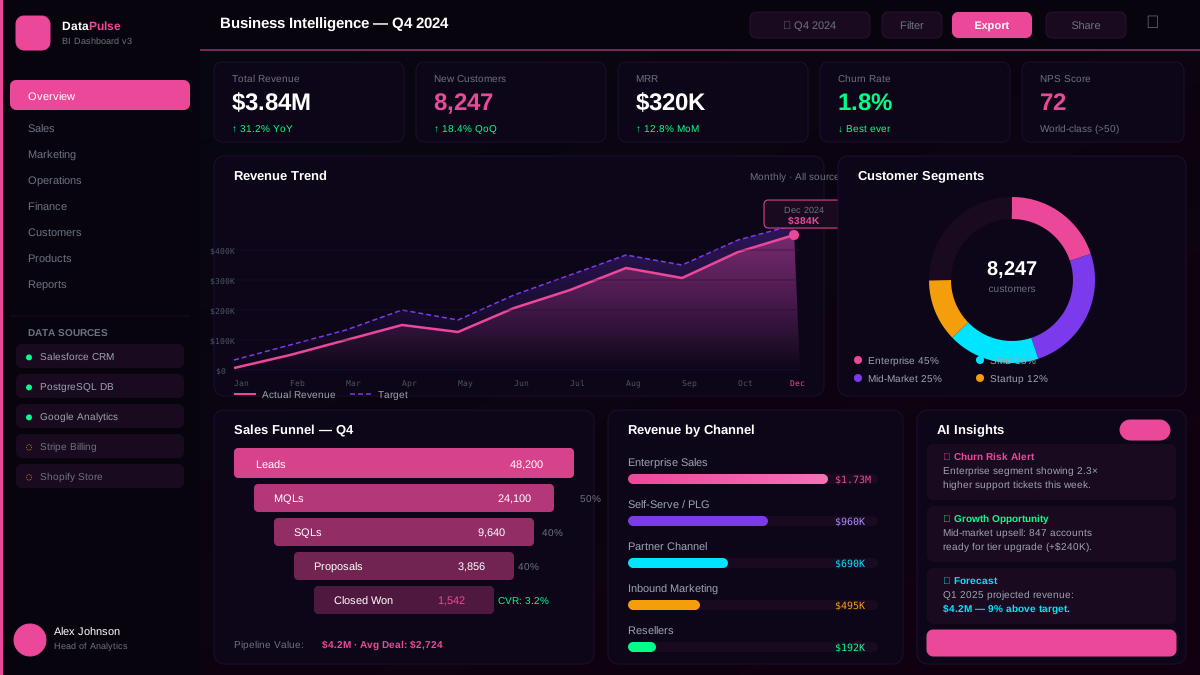
DataPulse — Business Intelligence Dashboard
A natural-language BI dashboard that lets non-technical executives query company data in p...
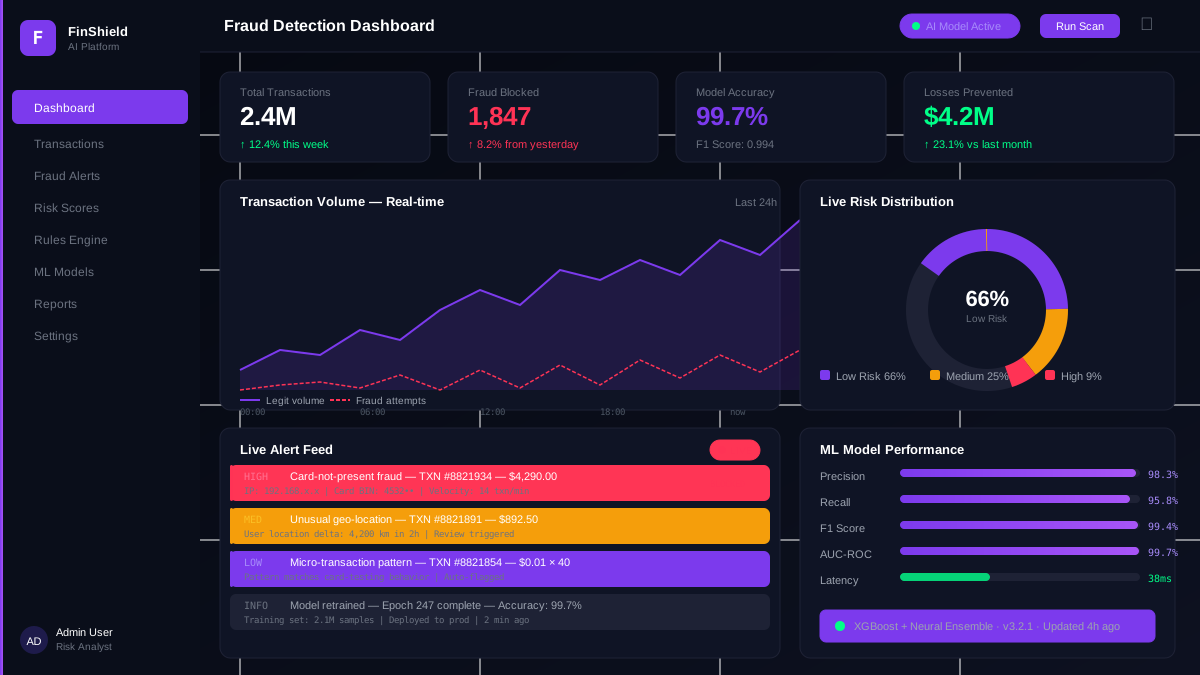
FinShield AI — Real-Time Fraud Detection Platform
A GPT-4 powered fraud intelligence system that cut false positives by 87% and processes 2....
From the Blog
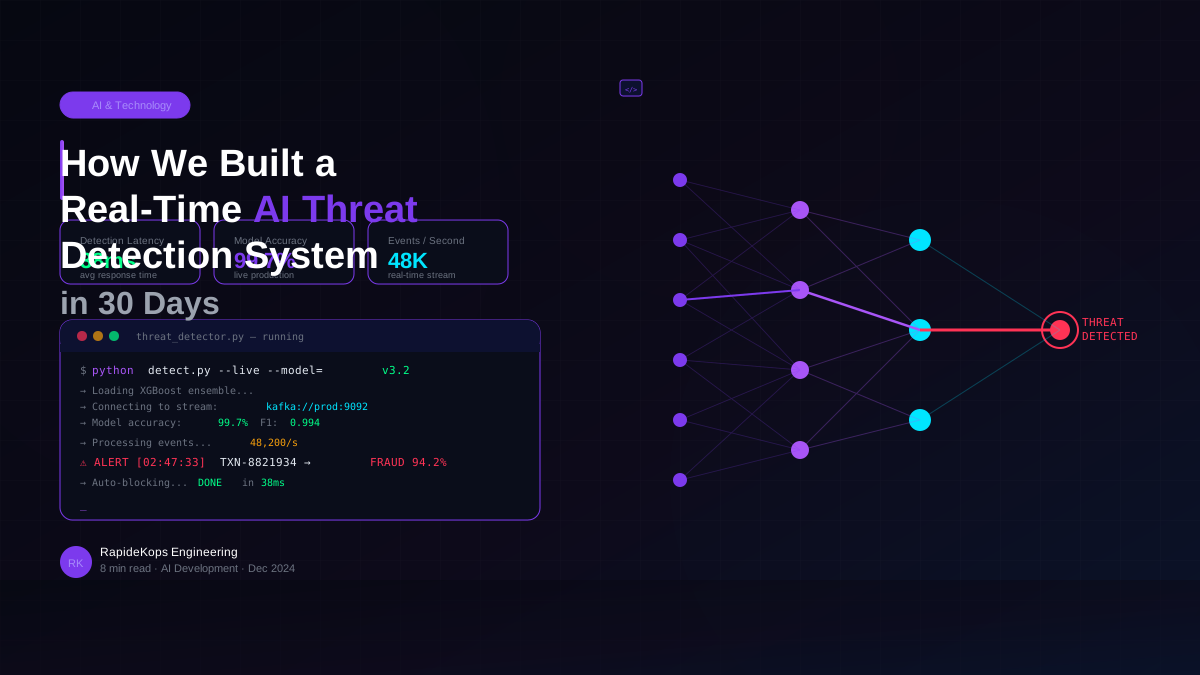
How We Built a Real-Time AI Threat Detection System in 30 Days
A behind-the-scenes look at how our team architected and shipped a GPT-4 powered threat intelligence...
Read Article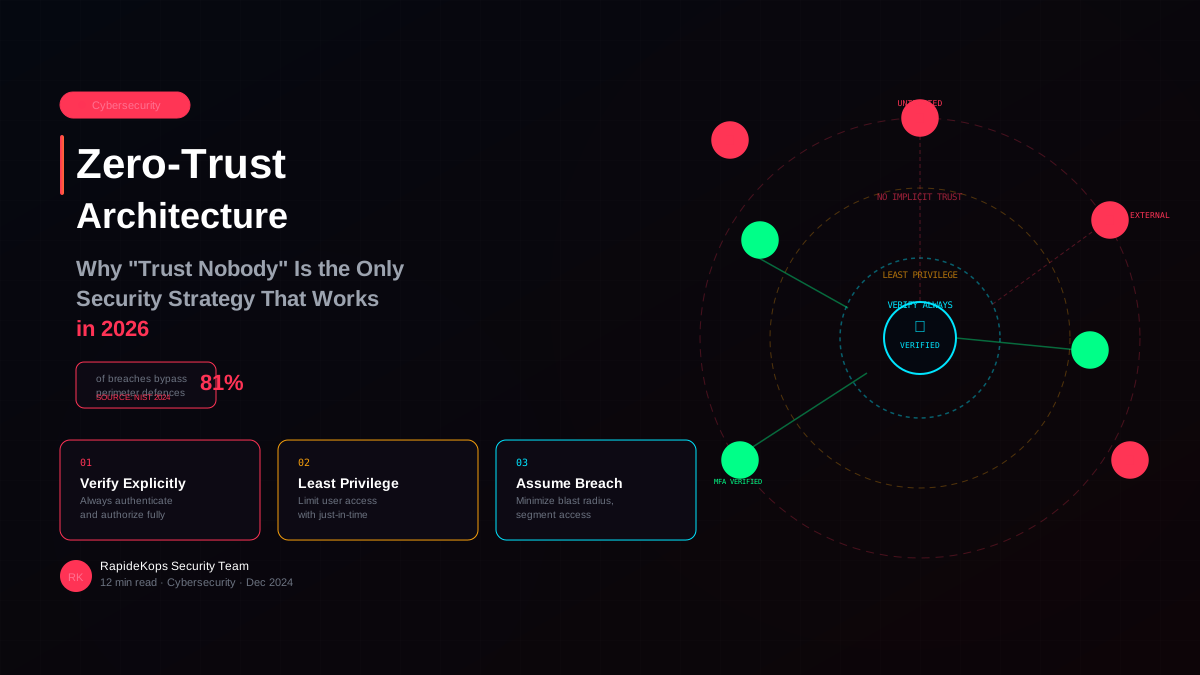
Zero-Trust Architecture: Why Trust Nobody Is the Only Security Strategy That Works in 2026
Perimeter security is dead. Here is a practical guide to implementing zero-trust architecture — the...
Read Article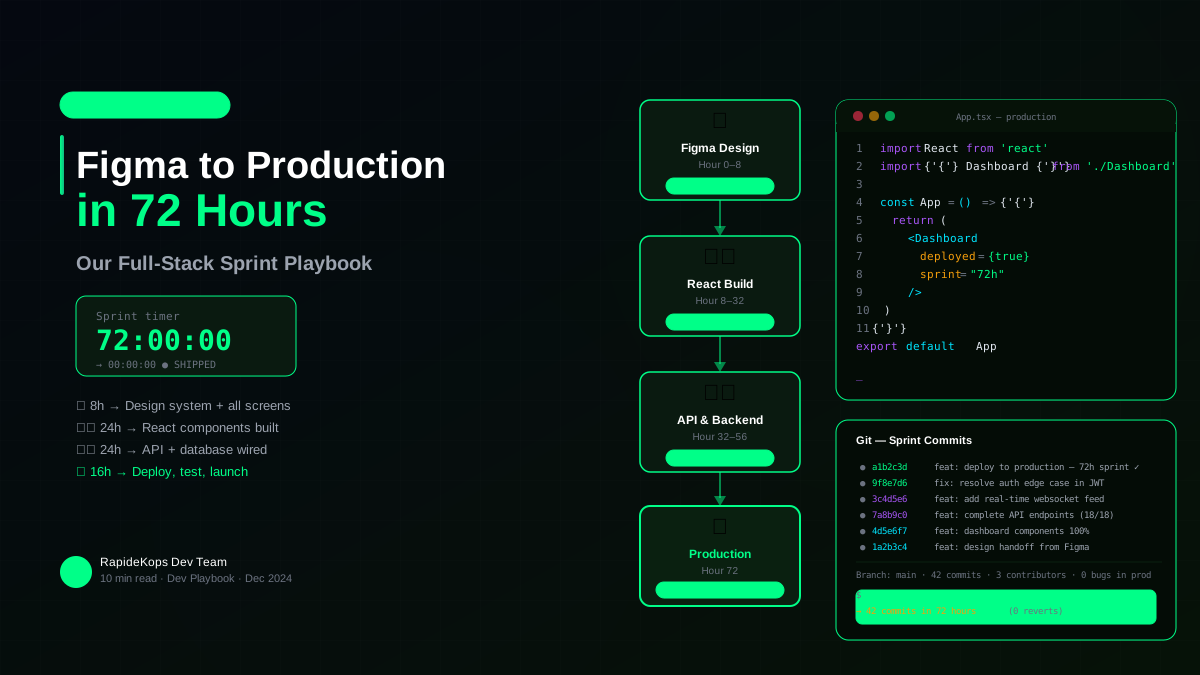
From Figma to Production in 72 Hours: Our Full-Stack Sprint Playbook
Speed without chaos. Here is the exact playbook we use to take a client from approved designs to a l...
Read ArticleReady for a Truly Native Mobile Experience?
Swift for iOS, Kotlin for Android — platform-native performance and UX that cross-platform frameworks cannot match.