Cross-Platform App Development
Cross-platform mobile app development — React Native and Flutter apps that look and feel native on iOS and Android from a single codebase, delivering faster time-to-market without sacrificing quality.
Cross-platform mobile development delivers iOS and Android applications from a single codebase — reducing development cost by 40–60% compared to separate native builds while maintaining near-native performance and platform-appropriate user experiences. We build with React Native using TypeScript and Flutter using Dart, selecting the framework that best fits your team's existing skills, your app's performance requirements, and your third-party library ecosystem.
We have shipped cross-platform applications for food delivery, on-demand services, social networking, event management, e-commerce, and enterprise field tools — applications used by hundreds of thousands of users on both iOS and Android simultaneously. Our cross-platform approach is pragmatic: we build in shared TypeScript or Dart for all business logic and UI components, and write targeted native modules in Swift and Kotlin for the features that genuinely require direct hardware or OS access — camera, Bluetooth, biometrics, payments, and background audio. The result is an application users cannot tell is cross-platform, because we hold it to native quality standards throughout.
Over-the-air (OTA) update infrastructure via Expo Updates or Microsoft CodePush is configured by default, enabling you to ship bug fixes and UI improvements to all users within hours — bypassing the App Store review cycle for changes that do not touch native code. A single CI/CD pipeline builds, tests, and distributes to both platforms simultaneously, keeping your release cadence fast and your engineering team focused on features rather than platform fragmentation.
-
React Native (TypeScript) or Flutter (Dart) shared codebase for iOS and Android
-
Platform-specific UI adaptations: navigation patterns, typography, and gesture handling
-
Native module bridges in Swift and Kotlin for hardware and OS-level feature access
-
Expo managed or bare workflow with custom native module CLI configuration
-
OTA update infrastructure: Expo Updates or Microsoft CodePush configured
-
Automated iOS and Android release pipeline with TestFlight and Firebase distribution
Why RapideKops?
- We select React Native or Flutter based on your specific requirements — not a default preference
- Native modules written in Swift and Kotlin wherever cross-platform falls short on quality
- OTA updates configured so hotfixes reach all users within hours — no App Store wait
- Single CI/CD pipeline builds, signs, and distributes both platforms simultaneously
- Performance profiled on real iOS and Android hardware — including low-end Android devices
- Source code structured so a native mobile specialist can maintain or extend it independently
Our Delivery Process
Framework Selection
We evaluate React Native vs Flutter against your requirements, team skills, and third-party library needs — documenting trade-offs transparently before any decision is finalised.
Architecture & Shared Layer
We design the shared state management, navigation, and API integration layer — maximising code reuse while preserving platform-appropriate UX patterns.
Build & Device Test
Two-week sprints with builds distributed to real iOS and Android devices via TestFlight and Firebase. Platform-specific regressions identified and resolved early.
Optimise & Publish
Performance profiling, jank elimination, OTA update infrastructure configuration, and simultaneous submission to App Store and Google Play.
Frequently Asked Questions
Recent Work
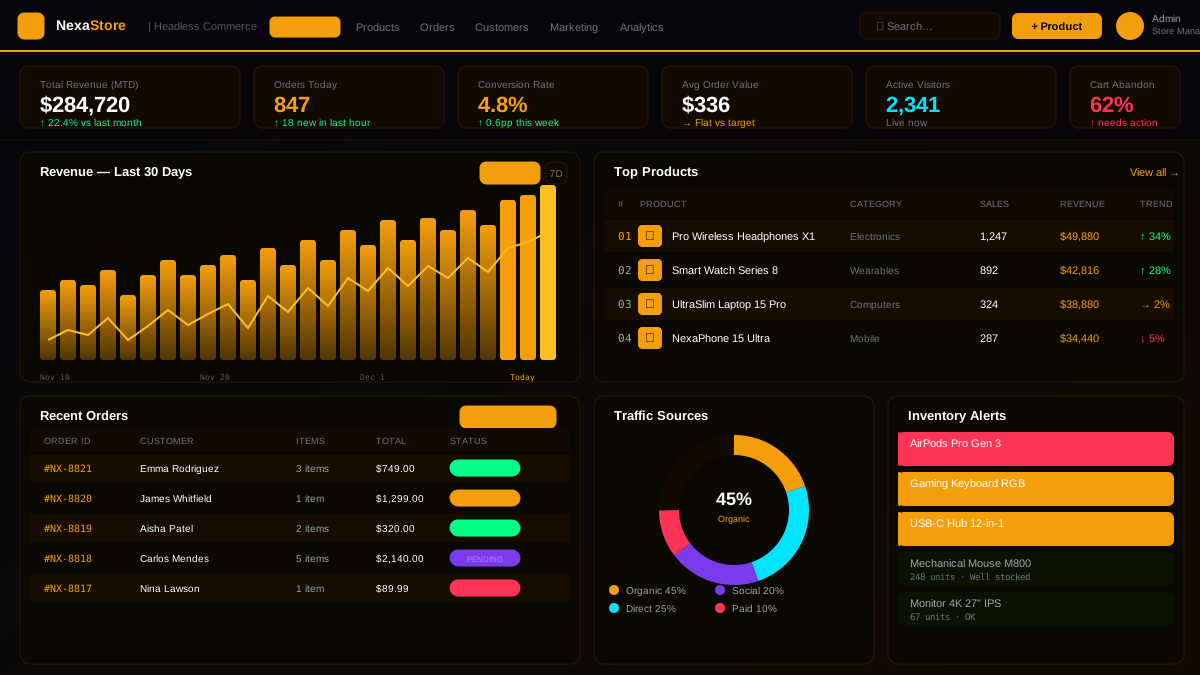
NexaStore — Headless E-Commerce Platform
A high-performance headless e-commerce platform handling 50,000 daily transactions with su...
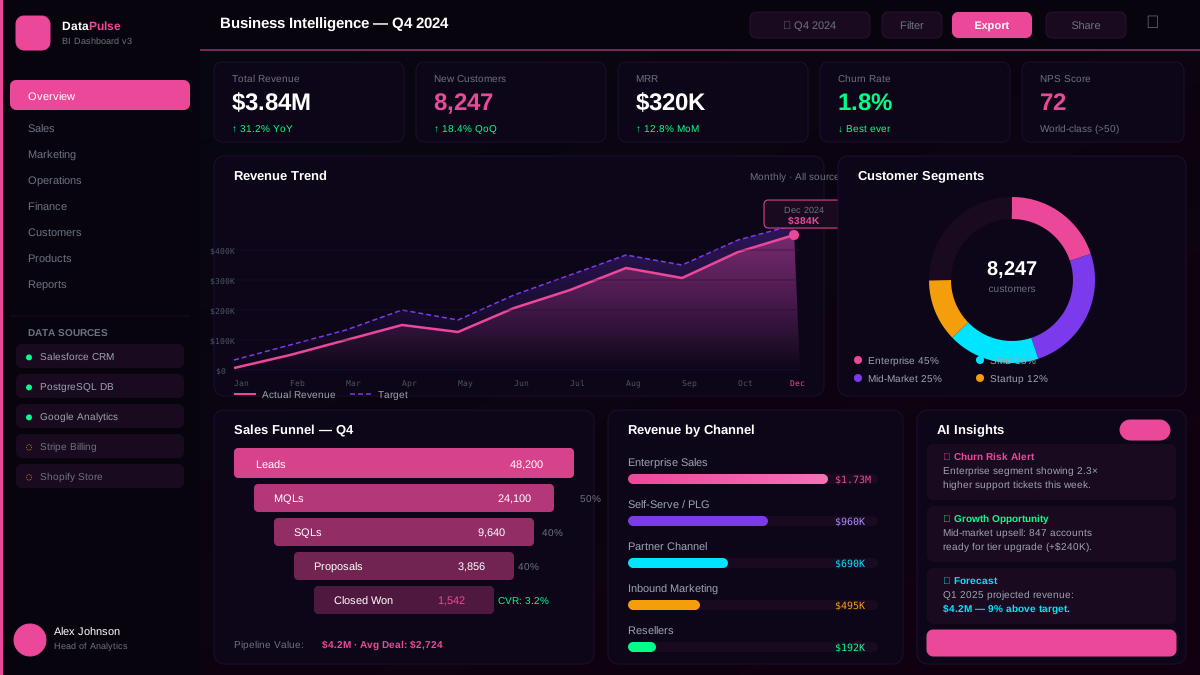
DataPulse — Business Intelligence Dashboard
A natural-language BI dashboard that lets non-technical executives query company data in p...
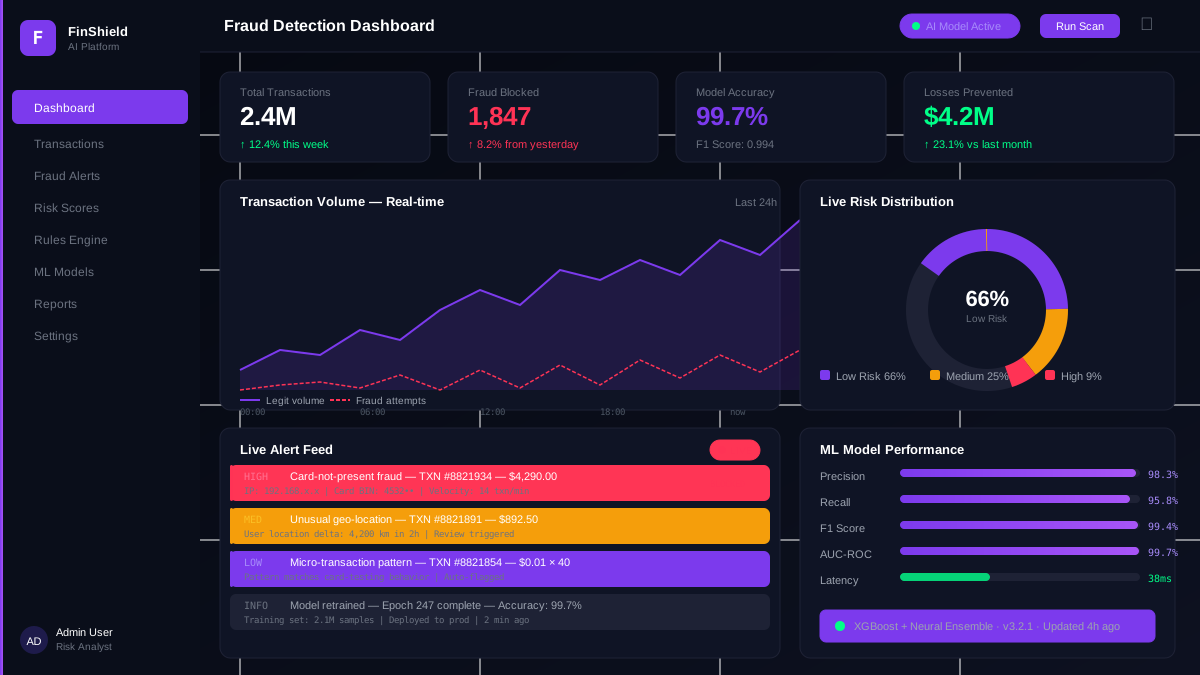
FinShield AI — Real-Time Fraud Detection Platform
A GPT-4 powered fraud intelligence system that cut false positives by 87% and processes 2....
From the Blog
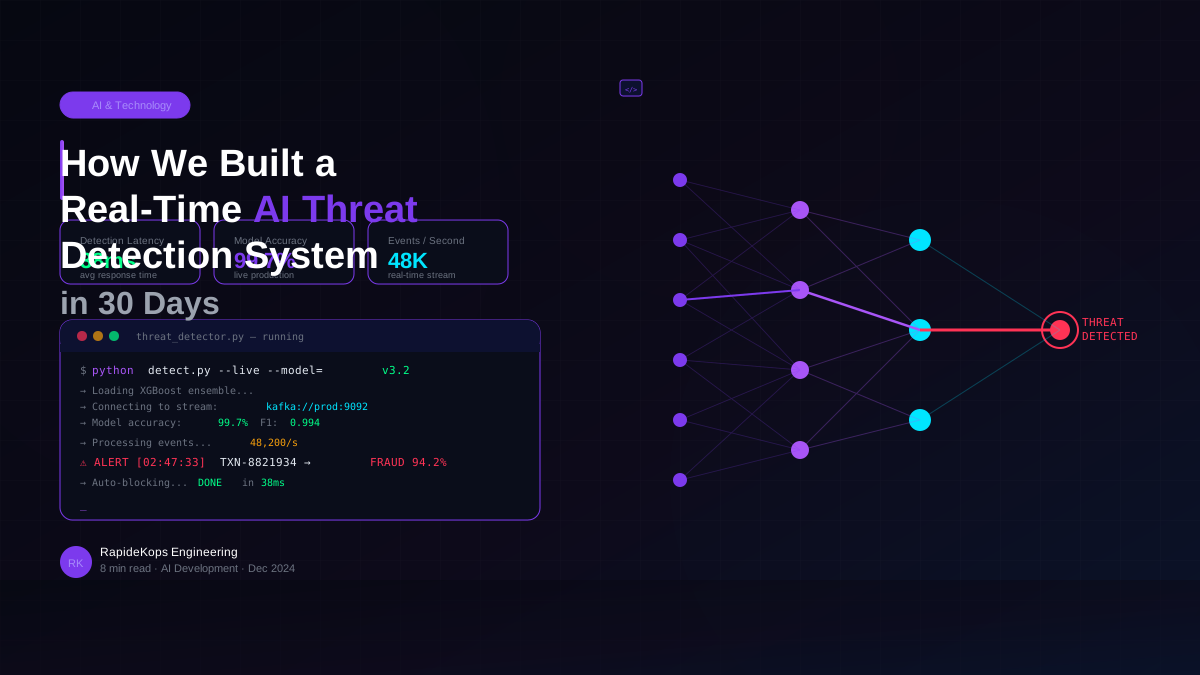
How We Built a Real-Time AI Threat Detection System in 30 Days
A behind-the-scenes look at how our team architected and shipped a GPT-4 powered threat intelligence...
Read Article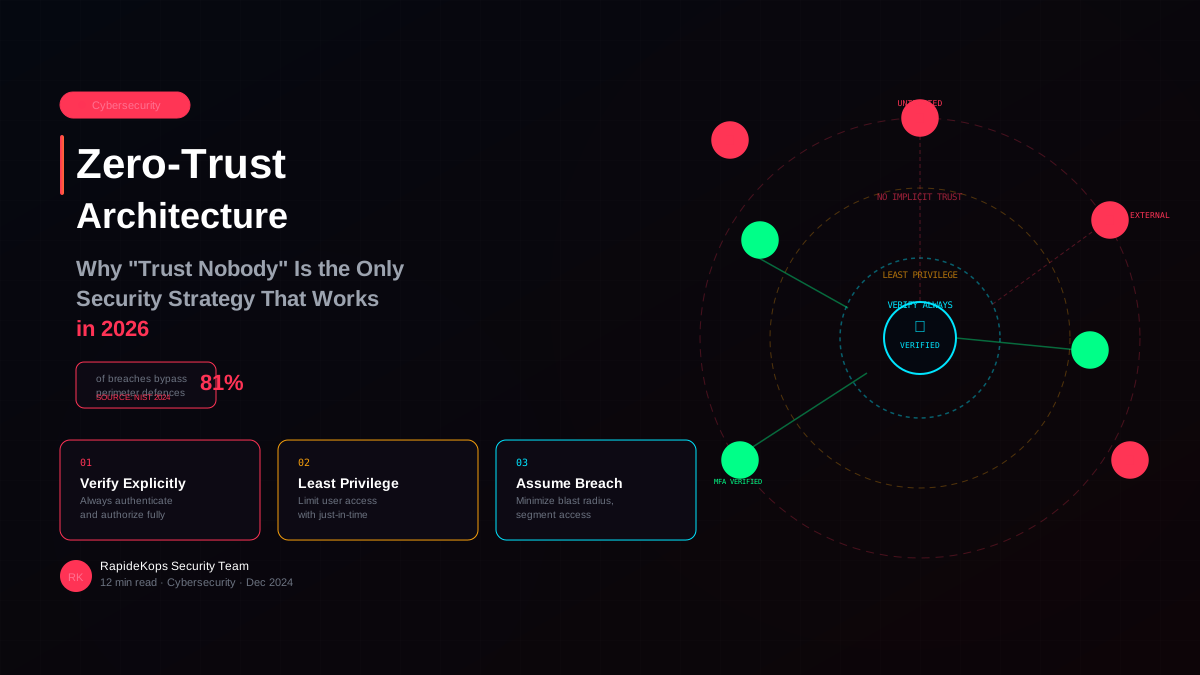
Zero-Trust Architecture: Why Trust Nobody Is the Only Security Strategy That Works in 2026
Perimeter security is dead. Here is a practical guide to implementing zero-trust architecture — the...
Read Article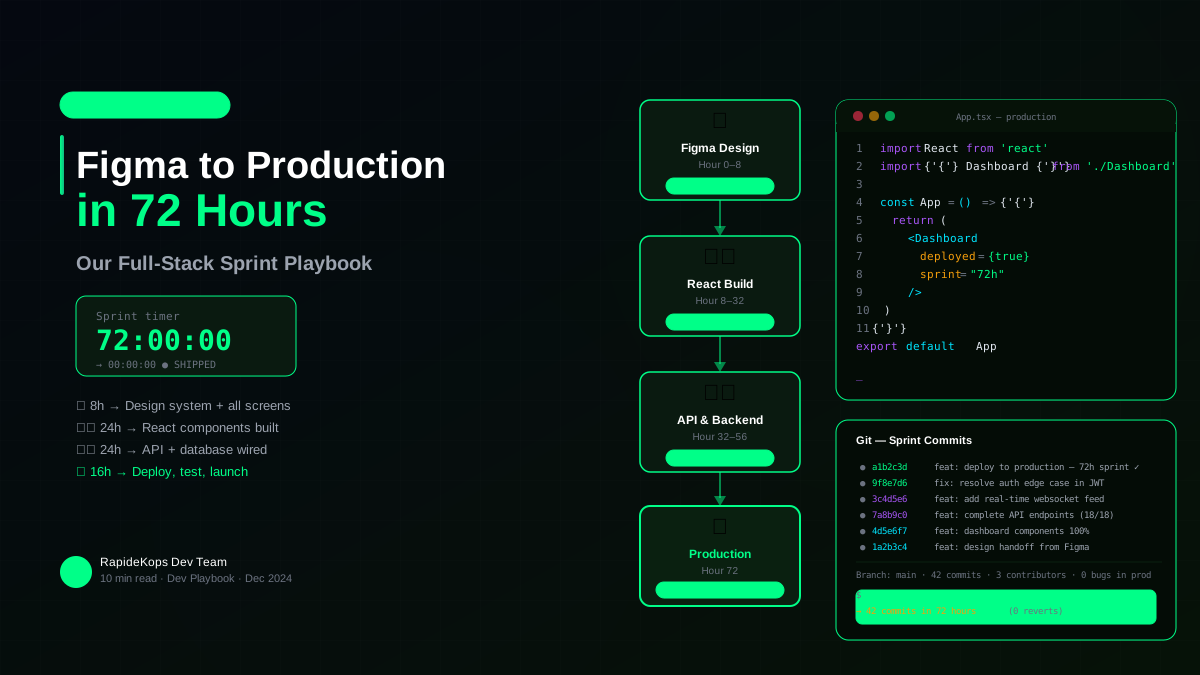
From Figma to Production in 72 Hours: Our Full-Stack Sprint Playbook
Speed without chaos. Here is the exact playbook we use to take a client from approved designs to a l...
Read ArticleReady to Ship on iOS and Android Without the Double Development Cost?
One codebase, both stores, native-quality UX — we will scope your cross-platform app and get you to market faster than two separate native builds.